Underrated Movies You Must Watch in 2026
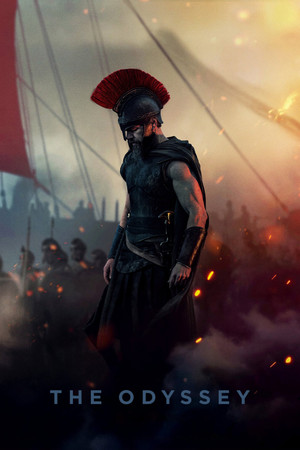
The Odyssey
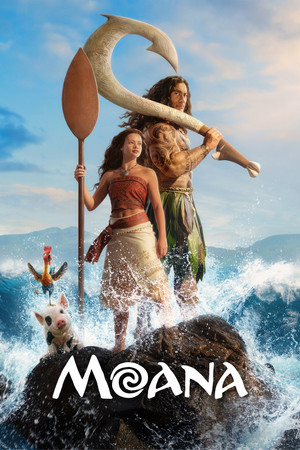
Moana
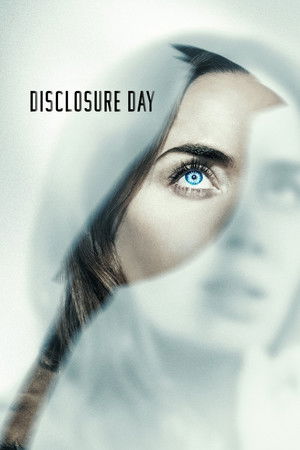
Disclosure Day
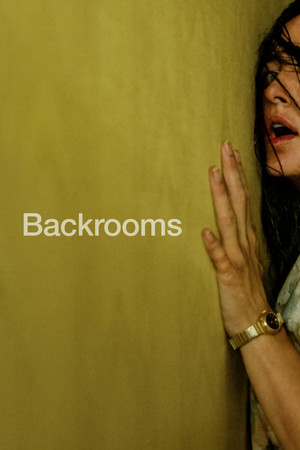
Backrooms
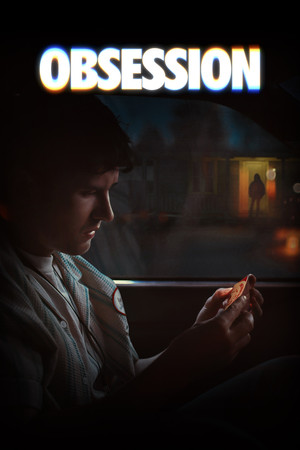
Obsession
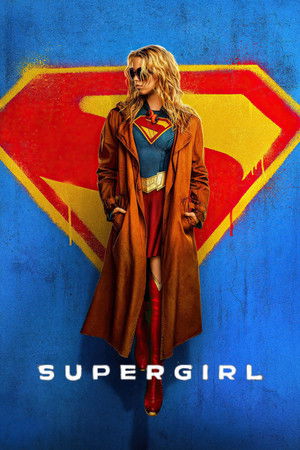
Supergirl
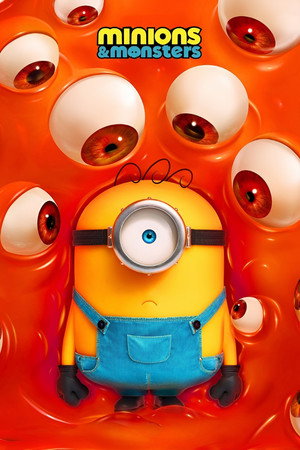
Minions & Monsters
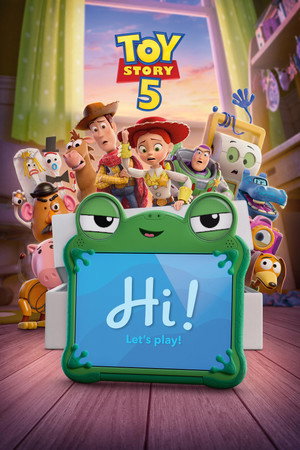
Toy Story 5
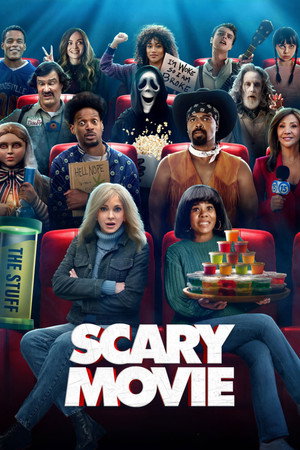
Scary Movie
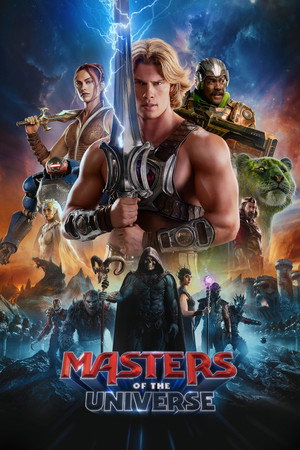
Masters of the Universe
Every year, the cinematic landscape is flooded with sequels, reboots, and billion-dollar spectacles that dominate the conversation. But if you only follow the box office headlines, you risk missing the films that truly define a year. 2026 is shaping up to be a paradox: a year of massive blockbusters hiding quieter, stranger, and more ambitious gems in the shadows. This is not a list of the biggest movies of 2026. This is a list of the ones that deserve a much bigger audience. These are the underrated movies you absolutely must watch before the year ends. The Odyssey Director Christopher Nolan is a name synonymous with event cinema, but his 2026 take on The Odyssey is somehow being framed as a risky, inaccessible art piece. Do not let the chatter fool you. This is not a straightforward retelling of Homer. Nolan has re-imagined the epic as a non-linear, psychological survival thriller set in a near-future, post-collapse world. Odysseus is not a king returning from war, but a lone astronaut returning from a failed interstellar colony mission. The Trojan War is a distant memory of a global conflict, and the monsters are now the psychological manifestations of deep-space isolation and environmental decay. Critics have been hesitant because it lacks the bombastic spectacle of Inception or Oppenheimer. In truth, it is Nolan’s most human film. The sequence involving the Cyclops, reworked as a rogue AI and a gravitational anomaly, is the single most terrifying ten minutes of cinema in the decade. It is slow, meditative, and devastating. If you go in expecting a sword-and-sandal epic, you will be lost. If you go in expecting a masterclass in grief and memory, you will find a masterpiece. Moana It is easy to dismiss Moana as just another live-action Disney remake. The marketing certainly leans on the nostalgia of the 2016 original. But this is the rare adaptation that justifies its existence. Directed by Thomas Kail, the film does not simply copy the animated version. It deepens the mythology. The live-action casting is perfect, but what makes this film underrated is its bold re-framing of the narrative from a coming-of-age story into a story about legacy and intergenerational trauma. The new subplot involving the ancestors of Motunui adds a haunting, almost spiritual weight to the journey. The ocean itself feels like a character with a tragic backstory. The musical numbers have been expanded, but the true surprise is how the film handles Maui. Dwayne Johnson delivers a performance layered with vulnerability that he has never shown before. Audiences expected a colorful, safe adventure. What they got was a visually stunning meditation on identity and the cost of discovery. It will be remembered as the one Disney remake that actually improved the original. Disclosure Day In an age of algorithmic thrillers, Disclosure Day feels like a relic from the 1970s. It is a slow-burn corporate espionage drama directed by the relatively unknown Julia Ducournau, better known for the body horror of Titane. The premise sounds simple: every year, a massive tech corporation forces its employees to disclose their most private digital secrets to a central committee in the name of “transparency.” One year, a low-level data analyst discovers a file that was never meant to be seen. From there, the film unravels into a paranoid labyrinth of blackmail, identity theft, and digital ghosting. What makes Disclosure Day so unique is its refusal to offer catharsis. There are no car chases or gunfights. The tension comes from the silent, overwhelming dread of a private life being weaponized. The two-hour runtime is almost entirely dialogue and surveillance footage, yet it is more gripping than any explosion-heavy blockbuster of the year. The final scene, a single static shot of an elevator door closing, has divided audiences. Do not listen to the detractors. It is a breathtaking, cynical masterpiece about the price of convenience. Backrooms Video game adaptations are finally getting good, but Backrooms is a different beast entirely. While it carries the name of the infamous internet creepypasta, this is not a jump-scare horror film. It is a meditative, nearly dialogue-less experimental film about liminal space and the architecture of loneliness. Directed by Jane Schoenbrun, who previously made the unsettling We're All Going to the World's Fair, Backrooms follows a single character who “noclips” out of reality and finds himself trapped in an endless maze of beige offices, yellow wallpaper, and buzzing fluorescent lights. The horror is not in the monsters, because there are barely any. The horror is the geometry. Schoenbrun uses the Backrooms as a metaphor for the feeling of being stuck in a system you cannot comprehend. The film has been dismissed by many as “boring” or “pretentious.” It is neither. It is a sensory experience. The sound design alone is enough to induce anxiety. If you have ever felt like your life was repeating itself aimlessly, you will recognize the terror in these empty corridors. It is the scariest film of the year because it makes you fear the mundane. Obsession In a year dominated by franchise fare, Obsession is the kind of mid-budget, adult-oriented thriller that Hollywood used to make but now rarely releases in theaters. It is a neo-noir set in the world of competitive classical piano. The story follows a virtuoso who becomes dangerously fixated on a rival performer, leading to a psychological spiral of sabotage, paranoia, and artistic desperation. The directing is sharp and claustrophobic, with the piano itself becoming a weapon. The lead performance from rising star Mike Faist is a revelation; he plays obsession not as romantic longing, but as a quiet, rotting sickness. The cinematography bathes every frame in cold blues and harsh tungsten, making the concert halls feel like prisons. Unfortunately, the film was released in the shadow of a major superhero release and was quickly pulled from multiplexes. That is a tragedy. Obsession is a tight, intelligent character study that respects its audience. It asks difficult questions about the line between passion and madness, and it answers them with a final shot that will leave you breathless. Seek this one out on streaming. It is a masterclass in restraint. Supergirl The superhero genre is exhausting, and Supergirl: Woman of Tomorrow, released in 2026, had the terrible luck of being sandwiched between two massive crossover events for the DC Universe. This resulted in it being labeled “small” and “unimportant” by the mainstream press. That is a critical error. This is not a typical superhero origin story. It is a space opera western, heavily inspired by the acclaimed comic run of the same name. Supergirl, played with a weary ferocity by a perfectly cast new actress, is not here to be a hero. She is jaded, cynical, and trapped in a cycle of rescuing people who do not deserve it. The film follows her as she reluctantly helps a young alien girl seek revenge on the man who destroyed her world. The script is surprisingly bleak. The humor is dry and the violence is jarring. The relationship between Supergirl and the girl is the heart of the film, but it is not a feel-good bond. It is a clash of trauma. The visual effects are gorgeous, particularly the depiction of a planet made entirely of crystal that sings. This film deserved to be a major talking point. Instead, it was ignored. As a character study of a god who is tired of being kind, it is the most interesting superhero film of the decade. Minions & Monsters Do not let the title fool you. Minions & Monsters is not a kid's movie. Released quietly on a streaming platform without much fanfare, this is a dark, experimental animated film from Illumination that feels like a fever dream. The plot is absurd: three Minions stumble through a portal into a Dungeons & Dragons-style fantasy realm and accidentally become overlords of a kingdom of goblins and ogres. The slapstick is there, but it is layered over a surprising amount of existential dread. The monsters are genuinely frightening in a Looney Tunes meets Hellraiser sort of way. The Minions themselves are used sparingly, acting as chaotic neutral forces of destruction rather than comic relief. The film literally has a ten-minute sequence where the Minions do not speak, they simply march through a cursed forest while monstrous trees whisper their failures. It is bizarre, unpredictable, and completely unlike anything the studio has ever made. Parents expecting a safe, colorful distraction were disturbed. Children were confused. Critics were baffled. That is exactly why it is essential viewing. It is a one-of-a-kind anomaly in the family animation space. Toy Story 5 After the sublime emotional closure of Toy Story 4, a fifth installment felt unnecessary. The marketing for Toy Story 5 leaned into this skepticism, promising a return to “the basics.” Do not trust that marketing. Toy Story 5 is the most daring and controversial film in the franchise. The plot involves the toys being sold to a thrift store that is also an art gallery. They are no longer playthings. They are “found objects” and “art installations.” The conflict is not about being lost or broken. It is about purpose. What happens to a toy when it is no longer wanted for play, but only for observation? The film is a quiet, philosophical exploration of commodification and obsolescence. The humor is darker, the tone is melancholic. Woody, now a museum piece, must decide if he wants to be admired or forgotten. The animation is stunning, particularly the scenes where the toys are displayed under sterile glass cases. Audiences expecting a fun adventure were let down. This is for the adults who grew up with the franchise. It is a beautiful, sad, and necessary conversation about growing up, letting go, and the difference between being valued and being loved. Scary Movie The Scary Movie franchise was dead. The last entry was a decade ago, and the parody genre itself seemed extinct. Then came the 2026 reboot. It is not a rehash. It is a vicious, hilarious, and hyper-specific satire of modern horror. The target is not Scream or The Conjuring. The target is elevated horror, specifically Ari Aster and Robert Eggers. The film mercilessly mocks slow-burn dread, ambiguous endings, and the self-seriousness of A24. It is incredibly smart. It knows the material so well that its jokes are technically incisive. One scene perfectly parodies the lighthouse light from The Lighthouse, but instead of a lighthouse, it is a night manager at a hotel. The cast is a mix of young comedians and forgotten stars from the early 2000s, and their timing is flawless. The film bombed at the box office because the marketing made it look like a generic spoof. It is anything but. It is a love letter to horror fans who are