Top 10 Movies of 2026
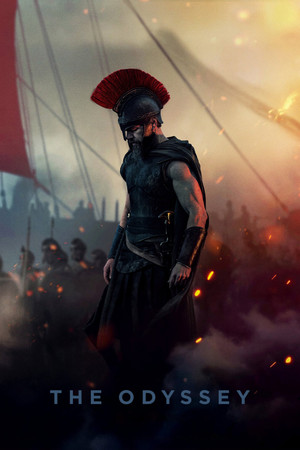
The Odyssey
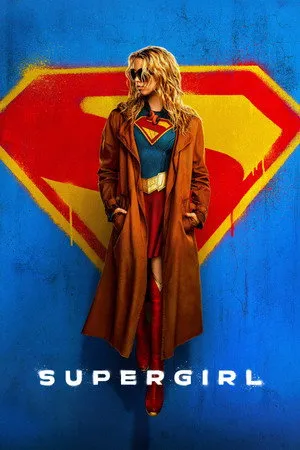
Supergirl
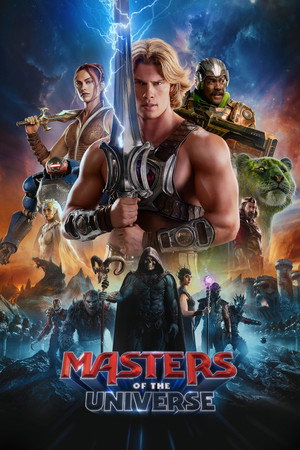
Masters of the Universe
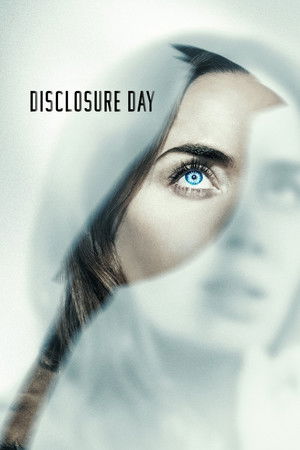
Disclosure Day
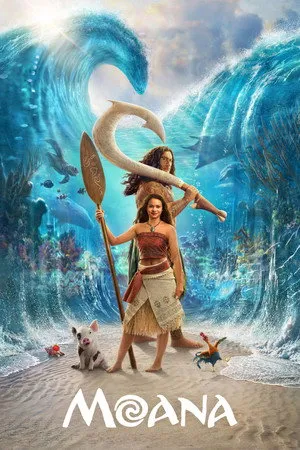
Moana
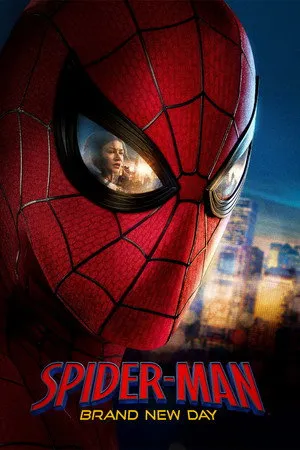
Spider-Man: Brand New Day
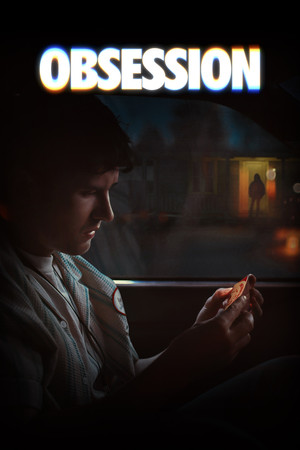
Obsession
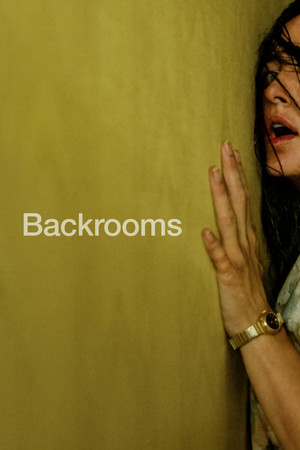
Backrooms
The Death of Robin Hood
Toy Story 5
Top 10 Movies of 2026
The year 2026 is shaping up to be an absolute barnstormer for cinema. After a few years of franchise fatigue and creative retrenchment, Hollywood has finally decided to aim for the stars again. From big-budget epics that redefine visual storytelling to intimate horror that crawls under your skin, this year’s crop of films is as daring as it is dazzling. I’ve spent the past twelve months in darkened theaters, notebook in hand, and I can say without hyperbole that 2026 will be remembered as a turning point. Here are the ten movies you absolutely cannot miss.
The Odyssey. Denis Villeneuve follows his Dune triumphs with a staggering adaptation of Homer’s epic. But this is no dusty classroom translation. Villeneuve and his screenwriters have reimagined the poem as a science-fantasy odyssey across alien seas, with Odysseus as a weary starship captain trying to find his way home through a cosmos full of sirens, cyclopes, and gods who speak in gravitational waves. The visual language is breathtaking — the cyclops is a planetary-scale entity, and Circe’s island shimmers like a hallucination. Tom Hardy gives a gravelly, soulful performance as Odysseus, and Zendaya’s Penelope is a quiet force of nature. Shot almost entirely on massive LED volumes, the film feels both ancient and impossibly futuristic. It’s a masterpiece of scale and emotion.
Supergirl. The DC Universe needed a win, and this is it. Directed by emerging filmmaker Nia DaCosta, Supergirl is less an origin story than a coming-of-age anthem for a generation raised on chaos. Sasha Calle returns as Kara Zor-El, and she owns every frame. The plot finds her stranded on a war-ravaged planet that mirrors Earth’s worst impulses. DaCosta leans into the loneliness of being the last Kryptonian, but also the joy of discovering that power can be gentle. The action is kinetic and weighty — the flight sequences use a new mixed-reality camera rig that makes you feel every banking turn. What sets this apart is its heart: a scene where Supergirl sips coffee in a diner and simply listens to a grieving waitress is more affecting than any explosion. It’s the superhero movie we’ve been waiting for, one that remembers heroism is about compassion, not collateral damage.
Masters of the Universe. Skeptics, eat your words. After decades of false starts, He-Man finally gets a film that understands its source material is both silly and sincere. Director the Daniels (Everything Everywhere All At Once) bring their signature chaos to Eternia, and it works brilliantly. The film opens with Prince Adam fumbling with his sword in a castle that seems to breathe, and ends with a battle on the edge of a cosmic sinkhole. The visual palette is a neon-soaked 80s fever dream: Skeletor looks like a punk-rock demon, and Battle Cat is rendered with enough fur and muscle to steal every scene. The emotional core? Adam’s fear of becoming his father. The Daniels balance absurdity with genuine pathos. A scene where Orko (voiced by Patton Oswalt) delivers a eulogy for a fallen ally is unexpectedly devastating. This is not a nostalgic cash grab — it’s a reinvention.
Disclosure Day. Jordan Peele returns with his most audacious film yet, a paranoid thriller that riffs on whistleblower culture and the internet’s insatiable hunger for secrets. The premise is simple: every citizen of a near-future America receives a government notification that their most shameful private act will be broadcast at midnight. The film follows six characters across one day, from a tech CEO to a schoolteacher, as they desperately try to contain or confess. Peele’s script is a tense clockwork of moral dilemmas, and the ensemble cast — led by Keke Palmer and Steven Yeun — delivers knockout performances. The final act, set in a single apartment with a live-stream countdown, is the most anxiety-inducing sequence since Uncut Gems. Disclosure Day is a mirror held up to our digital age, and it burns.
Moana. Disney’s live-action adaptation has no right to be this good. Directed by Taika Waititi, the film retains the heart of the 2016 animated classic while deepening its emotional and cultural resonance. Auli’i Cravalho returns as Moana, and her performance is even richer now that she can use her entire body — the ocean seems to dance with her. Dwayne Johnson’s Maui is still larger than life, but Waititi gives him a melancholic undercurrent: a demigod tired of performing for mortals. The songs have been re-recorded with live orchestras that make “How Far I’ll Go” feel like a tidal wave. But the real triumph is the way the film reimagines the ocean itself as a sentient, ever-changing character, using practical water tanks and prosthetic puppetry. It’s a visual marvel that never forgets it’s about a girl finding her own path.
Spider-Man: Brand New Day. Tom Holland’s third solo outing is a soft reboot that takes Peter Parker back to basics — and it’s exhilarating. After the multiverse chaos of No Way Home, director Destin Daniel Cretton grounds the story in New York City’s grit. Peter is broke, alone, and working at a bodega when he stumbles onto a conspiracy involving a new technology that can erase memories. Enter Black Cat (a scene-stealing Sydney Sweeney) and a villain called the Hood. The action is scrappy and inventive — a fight in a laundromat using spin-cycles and soap suds is pure comic-book poetry. But the film’s real achievement is its quiet scenes: Peter eating a slice of pizza on a fire escape, talking to Aunt May’s ghost. This is Spider-Man as a bruised, hopeful young man figuring out who he wants to be. No cameos, no universe baggage — just great storytelling.
Obsession. Ari Aster returns with a horror film that is both his most restrained and his most disturbing. Obsession follows a composer (Florence Pugh) who becomes fixated on a cryptic melody she hears in a dream. She tries to transcribe it, but the notes begin to rewrite her reality — clocks run backward, memories shift, and people around her start vanishing from photographs. Aster uses sound design as his weapon: the film’s score was created by infecting a piano with digital feedback, and the resulting tones feel like they’re burrowing into your skull. Pugh gives a career-best performance, oscillating between frantic creativity and serene madness. The ending — a single shot that lasts twenty minutes — is a tour de force of dread. Obsession is not a jump-scare movie; it’s a slow, beautiful descent into the abyss of artistic compulsion.
Backrooms. The internet creepypasta becomes a cinematic nightmare in the hands of director Jane Schoenbrun, who previously gave us We’re All Going to the World’s Fair. This is not a found-footage gimmick. Backrooms is a psychological horror film about a group of urban explorers who find a liminal office space that extends infinitely. The rules of geometry break down. Doors lead to empty swimming pools, buzzing fluorescent lights hum like a heartbeat, and something is watching from the corners of your vision. Schoenbrun uses long, unbroken takes and a palette of sickly yellow to create a sense of suffocating stillness. The monster, when it finally appears, is a horrifyingly mundane creature — a janitor with no face, wielding a mop. It’s the scariest thing I’ve seen in years. Backrooms succeeds because it understands that the most terrifying space is the one you can never leave.
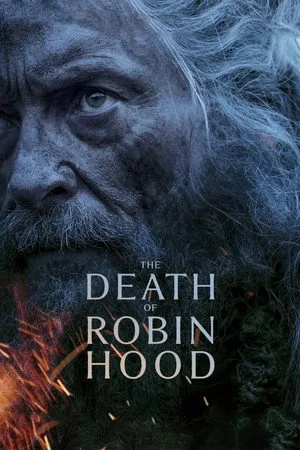
The Death of Robin Hood. Revisionist history gets a bloody, beautiful makeover in this medieval western from director Kelly Reichardt. Robin Hood (a grizzled Paul Walter Hauser) is old, tired, and hiding in Sherwood Forest with a price on his head. The merry men are dead or scattered. Maid Marian (Saoirse Ronan) has become a ruthless outlaw in her own right. The film is less about archery and more about the weight of legend — what happens when the hero outlives his story? Reichardt shoots the forest in muted autumn browns, and the action is brutally efficient: a single arrow wound can fester and kill. The final confrontation between Robin and the Sheriff is not a duel but a negotiation, a quiet recognition that all roads end in dirt. This is a bleak, gorgeous meditation on mortality and the lies we tell ourselves about heroism.
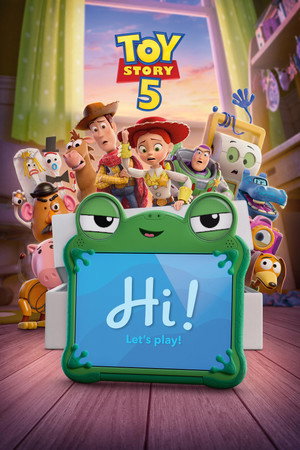
Toy Story 5. Pixar closes out the trilogy (or is it a trilogy plus two?) with a farewell that earns every tear. Directed by Pete Docter, Toy Story 5 picks up years after the last film. Andy’s daughter is now a teenager who has boxed up most of her toys. Woody, Buzz, and the gang are resigned to being memories — until a new child moves in next door, a little boy who doesn’t know how to play. The script is a luminous exploration of what toys mean when nobody believes in them. A sequence where the toys teach the boy to imagine is pure Pixar magic. The voice cast, including Tom Hanks and Tim Allen, bring a warmth that feels earned over decades. The final scene — Woody sitting on a shelf, smiling as the boy picks him up — is a perfect, heartbreaking echo of the first film’s opening. Toy Story 5 doesn’t ruin the legacy; it completes it.
There you have it. Ten films that prove 2026 is not just a year of blockbusters, but of bold artistic statements. Whether you crave cosmic wonder, psychological terror, or the simple joy of a felt cowboy, this year’s cinema has something to move you. Go see them on the biggest screen you can find. The stories are waiting.
The year 2026 is shaping up to be an absolute barnstormer for cinema. After a few years of franchise fatigue and creative retrenchment, Hollywood has finally decided to aim for the stars again. From big-budget epics that redefine visual storytelling to intimate horror that crawls under your skin, this year’s crop of films is as daring as it is dazzling. I’ve spent the past twelve months in darkened theaters, notebook in hand, and I can say without hyperbole that 2026 will be remembered as a turning point. Here are the ten movies you absolutely cannot miss.
The Odyssey. Denis Villeneuve follows his Dune triumphs with a staggering adaptation of Homer’s epic. But this is no dusty classroom translation. Villeneuve and his screenwriters have reimagined the poem as a science-fantasy odyssey across alien seas, with Odysseus as a weary starship captain trying to find his way home through a cosmos full of sirens, cyclopes, and gods who speak in gravitational waves. The visual language is breathtaking — the cyclops is a planetary-scale entity, and Circe’s island shimmers like a hallucination. Tom Hardy gives a gravelly, soulful performance as Odysseus, and Zendaya’s Penelope is a quiet force of nature. Shot almost entirely on massive LED volumes, the film feels both ancient and impossibly futuristic. It’s a masterpiece of scale and emotion.
Supergirl. The DC Universe needed a win, and this is it. Directed by emerging filmmaker Nia DaCosta, Supergirl is less an origin story than a coming-of-age anthem for a generation raised on chaos. Sasha Calle returns as Kara Zor-El, and she owns every frame. The plot finds her stranded on a war-ravaged planet that mirrors Earth’s worst impulses. DaCosta leans into the loneliness of being the last Kryptonian, but also the joy of discovering that power can be gentle. The action is kinetic and weighty — the flight sequences use a new mixed-reality camera rig that makes you feel every banking turn. What sets this apart is its heart: a scene where Supergirl sips coffee in a diner and simply listens to a grieving waitress is more affecting than any explosion. It’s the superhero movie we’ve been waiting for, one that remembers heroism is about compassion, not collateral damage.
Masters of the Universe. Skeptics, eat your words. After decades of false starts, He-Man finally gets a film that understands its source material is both silly and sincere. Director the Daniels (Everything Everywhere All At Once) bring their signature chaos to Eternia, and it works brilliantly. The film opens with Prince Adam fumbling with his sword in a castle that seems to breathe, and ends with a battle on the edge of a cosmic sinkhole. The visual palette is a neon-soaked 80s fever dream: Skeletor looks like a punk-rock demon, and Battle Cat is rendered with enough fur and muscle to steal every scene. The emotional core? Adam’s fear of becoming his father. The Daniels balance absurdity with genuine pathos. A scene where Orko (voiced by Patton Oswalt) delivers a eulogy for a fallen ally is unexpectedly devastating. This is not a nostalgic cash grab — it’s a reinvention.
Disclosure Day. Jordan Peele returns with his most audacious film yet, a paranoid thriller that riffs on whistleblower culture and the internet’s insatiable hunger for secrets. The premise is simple: every citizen of a near-future America receives a government notification that their most shameful private act will be broadcast at midnight. The film follows six characters across one day, from a tech CEO to a schoolteacher, as they desperately try to contain or confess. Peele’s script is a tense clockwork of moral dilemmas, and the ensemble cast — led by Keke Palmer and Steven Yeun — delivers knockout performances. The final act, set in a single apartment with a live-stream countdown, is the most anxiety-inducing sequence since Uncut Gems. Disclosure Day is a mirror held up to our digital age, and it burns.
Moana. Disney’s live-action adaptation has no right to be this good. Directed by Taika Waititi, the film retains the heart of the 2016 animated classic while deepening its emotional and cultural resonance. Auli’i Cravalho returns as Moana, and her performance is even richer now that she can use her entire body — the ocean seems to dance with her. Dwayne Johnson’s Maui is still larger than life, but Waititi gives him a melancholic undercurrent: a demigod tired of performing for mortals. The songs have been re-recorded with live orchestras that make “How Far I’ll Go” feel like a tidal wave. But the real triumph is the way the film reimagines the ocean itself as a sentient, ever-changing character, using practical water tanks and prosthetic puppetry. It’s a visual marvel that never forgets it’s about a girl finding her own path.
Spider-Man: Brand New Day. Tom Holland’s third solo outing is a soft reboot that takes Peter Parker back to basics — and it’s exhilarating. After the multiverse chaos of No Way Home, director Destin Daniel Cretton grounds the story in New York City’s grit. Peter is broke, alone, and working at a bodega when he stumbles onto a conspiracy involving a new technology that can erase memories. Enter Black Cat (a scene-stealing Sydney Sweeney) and a villain called the Hood. The action is scrappy and inventive — a fight in a laundromat using spin-cycles and soap suds is pure comic-book poetry. But the film’s real achievement is its quiet scenes: Peter eating a slice of pizza on a fire escape, talking to Aunt May’s ghost. This is Spider-Man as a bruised, hopeful young man figuring out who he wants to be. No cameos, no universe baggage — just great storytelling.
Obsession. Ari Aster returns with a horror film that is both his most restrained and his most disturbing. Obsession follows a composer (Florence Pugh) who becomes fixated on a cryptic melody she hears in a dream. She tries to transcribe it, but the notes begin to rewrite her reality — clocks run backward, memories shift, and people around her start vanishing from photographs. Aster uses sound design as his weapon: the film’s score was created by infecting a piano with digital feedback, and the resulting tones feel like they’re burrowing into your skull. Pugh gives a career-best performance, oscillating between frantic creativity and serene madness. The ending — a single shot that lasts twenty minutes — is a tour de force of dread. Obsession is not a jump-scare movie; it’s a slow, beautiful descent into the abyss of artistic compulsion.
Backrooms. The internet creepypasta becomes a cinematic nightmare in the hands of director Jane Schoenbrun, who previously gave us We’re All Going to the World’s Fair. This is not a found-footage gimmick. Backrooms is a psychological horror film about a group of urban explorers who find a liminal office space that extends infinitely. The rules of geometry break down. Doors lead to empty swimming pools, buzzing fluorescent lights hum like a heartbeat, and something is watching from the corners of your vision. Schoenbrun uses long, unbroken takes and a palette of sickly yellow to create a sense of suffocating stillness. The monster, when it finally appears, is a horrifyingly mundane creature — a janitor with no face, wielding a mop. It’s the scariest thing I’ve seen in years. Backrooms succeeds because it understands that the most terrifying space is the one you can never leave.
The Death of Robin Hood. Revisionist history gets a bloody, beautiful makeover in this medieval western from director Kelly Reichardt. Robin Hood (a grizzled Paul Walter Hauser) is old, tired, and hiding in Sherwood Forest with a price on his head. The merry men are dead or scattered. Maid Marian (Saoirse Ronan) has become a ruthless outlaw in her own right. The film is less about archery and more about the weight of legend — what happens when the hero outlives his story? Reichardt shoots the forest in muted autumn browns, and the action is brutally efficient: a single arrow wound can fester and kill. The final confrontation between Robin and the Sheriff is not a duel but a negotiation, a quiet recognition that all roads end in dirt. This is a bleak, gorgeous meditation on mortality and the lies we tell ourselves about heroism.
Toy Story 5. Pixar closes out the trilogy (or is it a trilogy plus two?) with a farewell that earns every tear. Directed by Pete Docter, Toy Story 5 picks up years after the last film. Andy’s daughter is now a teenager who has boxed up most of her toys. Woody, Buzz, and the gang are resigned to being memories — until a new child moves in next door, a little boy who doesn’t know how to play. The script is a luminous exploration of what toys mean when nobody believes in them. A sequence where the toys teach the boy to imagine is pure Pixar magic. The voice cast, including Tom Hanks and Tim Allen, bring a warmth that feels earned over decades. The final scene — Woody sitting on a shelf, smiling as the boy picks him up — is a perfect, heartbreaking echo of the first film’s opening. Toy Story 5 doesn’t ruin the legacy; it completes it.
There you have it. Ten films that prove 2026 is not just a year of blockbusters, but of bold artistic statements. Whether you crave cosmic wonder, psychological terror, or the simple joy of a felt cowboy, this year’s cinema has something to move you. Go see them on the biggest screen you can find. The stories are waiting.