Movies That Will Change the Way You See the World
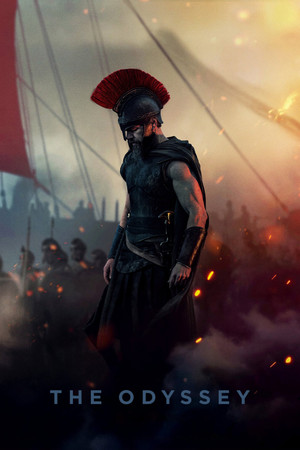
The Odyssey
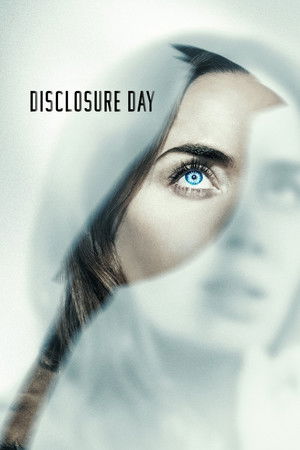
Disclosure Day
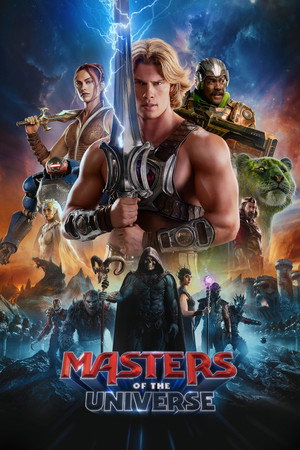
Masters of the Universe
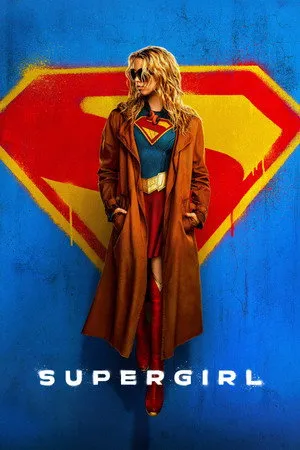
Supergirl
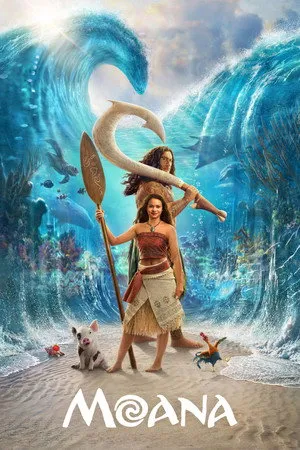
Moana
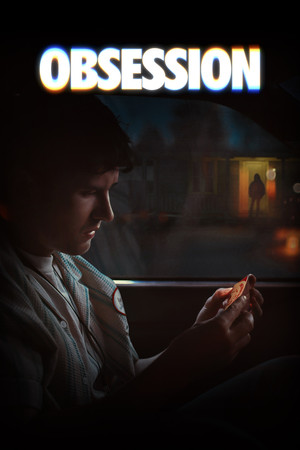
Obsession
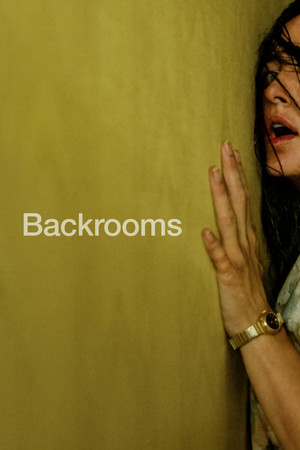
Backrooms
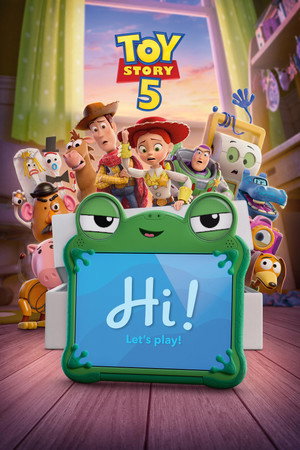
Toy Story 5
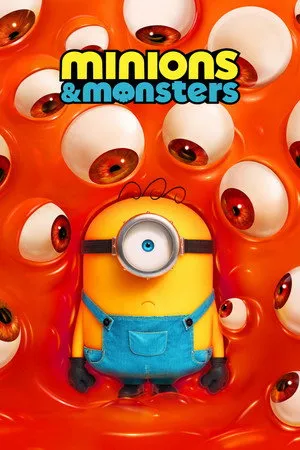
Minions & Monsters
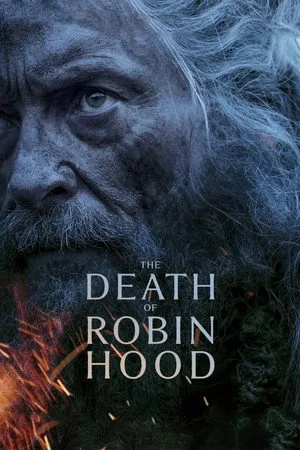
The Death of Robin Hood
Movies That Will Change the Way You See the World
There are movies that entertain, movies that distract, and then there are movies that leave a permanent imprint on your psyche. The kind of film that, when the credits roll, you sit in the dark for an extra minute, blinking at the wall, because the world outside suddenly feels different. As a critic who has sat through thousands of screenings, I can count on one hand the films that genuinely reshaped my understanding of reality. But this list—these ten titles—aren't just good cinema. They are paradigm shifts. From ancient myth to futuristic horror, from childhood nostalgia to corporate conspiracy, each one offers a lens that will forever alter how you see courage, identity, memory, and even the floor beneath your feet.
Let's begin with the monumental. The Odyssey, directed by Christopher Nolan, is not the Homeric adaptation you expect. Nolan, known for bending time and space, turns the ten-year journey of Odysseus into a non-linear meditation on trauma and memory. Shot partially in IMAX and using practical effects to recreate the Cyclops and the Sirens as terrifyingly real creatures, this version strips away the romanticism of ancient heroism. Instead, it forces you to confront the cost of survival. Nolan has said he wanted to make the audience feel every decade of lost time. When Odysseus finally returns to Ithaca, you don't cheer—you weep. This film will change how you think about homecoming, war, and the stories we tell ourselves to justify pain.
Next, Disclosure Day. This independent thriller, directed by the relatively unknown but visionary Alex Garland protégé Naomi Chen, is a slow-burn conspiracy drama that feels terrifyingly plausible. The premise: every citizen on Earth receives a single email on the same morning, revealing one personal secret that someone else has kept from them. The film follows six interconnected characters as their lives implode in real time. What makes Disclosure Day so world-altering is not the plot twists, but its quiet thesis: that truth is not liberating; it is a kind of violence. After watching it, you will never look at a notification on your phone the same way again. The film debuted at Sundance to a standing ovation that lasted nine minutes—partly because no one could move.
Now, let's talk about nostalgia weaponized. Masters of the Universe, the live-action reboot directed by Patty Jenkins, could have been a mindless spectacle. Instead, Jenkins turns He-Man into a parable about the loneliness of absolute power. Set in a decaying Eternia where technology and magic have merged into a corporate dystopia, the film reframes Skeletor as a tragic figure—a man who was once a hero broken by the system. The fight sequences are breathtaking, but the real battle is internal. This is a film about masculinity in crisis, about the lies we tell children when we say "by the power of Greyskull." You will leave the theater questioning every cartoon hero you ever loved.
Supergirl, directed by Greta Gerwig, takes a completely different approach. Gerwig, fresh off the existential pink of Barbie, turns the Girl of Steel into a refugee narrative. Kara Zor-El is not a symbol of hope; she is a displaced teenager grieving an entire planet. Gerwig films Krypton's destruction as a haunting, dreamlike sequence that feels like a memory you can't shake. The film's central conflict is not about fighting villains—it's about the guilt of surviving when everyone else died. This Supergirl doesn't fly because she's strong; she flies because she cannot bear to stand still. It is a deeply moving, intimate portrait of diaspora that will change how you view heroism and immigration. The scene where she first hears her mother's voice in a recording will break you.
And then there is Moana, but not the one you remember. Disney's animated classic gets a companion piece—a live-action reimagining directed by Taika Waititi. Waititi adds a layer of Polynesian mythology that the original only hinted at. The ocean is no longer a friendly character; it is an indifferent, ancient force. Moana's journey to return the heart of Te Fiti becomes a metaphor for ecological grief. She learns that the world does not need saving—it needs listening. This version includes a haunting subplot about the ancestors who failed because they tried to control nature. You will never look at the sea the same way. For children, it is an adventure. For adults, it is a eulogy for the planet we are losing.
Obsession, directed by Ari Aster, is the hardest film on this list to watch, and the most necessary. Aster, known for Hereditary and Midsommar, turns the lens inward. The story follows a reclusive art restorer who becomes fixated on a 17th-century painting of a woman weeping. As she spends months cleaning the canvas, the painting begins to change—and so does her perception of reality. Obsession is a horror film that never shows a monster, but the real terror is the slow disintegration of identity. Aster uses sound design and negative space to make you feel like you are losing your own mind. By the final frame, you will question the reliability of every memory you hold. It is a masterclass in psychological horror and a stark reminder that what we see is never truly what is there.
Now, a film that redefines the concept of space itself. Backrooms, directed by the experimental filmmaker David F. Sandberg (Lights Out, Shazam!), adapts the internet creepypasta into a chillingly realistic found-footage experience. The premise is simple: a photographer gets lost in an endless maze of beige office rooms. But Sandberg uses no jump scares. Instead, the horror is architectural. The monotony of the yellow wallpaper, the hum of fluorescent lights, the silence that feels like pressure—it all builds to the realization that the Backrooms are a metaphor for modern ennui. This film will change how you see liminal spaces. You will walk into an empty hallway and feel a chill. It is brilliant, terrifying, and strangely philosophical.
Toy Story 5, directed by Pete Docter, is the most existential entry in the franchise. The toys are old now. Woody's voice box crackles. Buzz's wings have snapped. The film asks: what happens when a toy is no longer loved? Docter, the mind behind Soul and Inside Out, turns the final act of Toy Story into a meditation on mortality and purpose. The toys must decide whether to let go of themselves or to find meaning in being forgotten. There is a devastating sequence where Woody watches a child throw him into a donation bin, and the camera holds on his plastic face for two minutes. You will sob. And after the film, you will look at your childhood belongings—the battered teddy bear, the worn-out action figure—and see them as living things that have loved you back.
Minions & Monsters, surprisingly, is the most subversive entry. Directed by Pierre Coffin, the creator of the Minions, this film takes the yellow chaos agents and drops them into a Lovecraftian horror landscape. The Minions, with their gibberish and slapstick, are the only beings that do not comprehend the cosmic dread around them. Their innocence becomes a weapon. But the film flips the script in its third act: the monsters are not evil, just lonely. The Minions' relentless positivity eventually breaks the despair of a dimension-hopping entity. It is absurd, hilarious, and deeply touching. The film argues that joy is not naivety—it is a radical act of defiance. You will never hear "banana" the same way.
Finally, The Death of Robin Hood, directed by Ridley Scott, brings the list to a brutal close. Scott, returning to the medieval epic after The Last Duel, reimagines the outlaw as an old man. Robin Hood is not fighting for justice anymore; he is a drunk hiding in Sherwood Forest, haunted by the ghosts of those he could not save. The film is a revisionist western disguised as a medieval tragedy. Scott shoots the archery scenes with clinical precision—every arrow finds a target, but every kill leaves a scar. The final scene, where Robin dies alone under a tree with no one to witness it, is a gut punch. This film will change how you see legends. It reminds you that every hero becomes a corpse, and every story about bravery is a story about survivors rewriting history.
These ten films are not just recommendations. They are experiences. Some will make you angry. Some will make you weep. All of them will leave you slightly different than before. In a world of endless content, these are the movies that earn the right to reshape your perception. Go in blind. Leave transformed.
There are movies that entertain, movies that distract, and then there are movies that leave a permanent imprint on your psyche. The kind of film that, when the credits roll, you sit in the dark for an extra minute, blinking at the wall, because the world outside suddenly feels different. As a critic who has sat through thousands of screenings, I can count on one hand the films that genuinely reshaped my understanding of reality. But this list—these ten titles—aren't just good cinema. They are paradigm shifts. From ancient myth to futuristic horror, from childhood nostalgia to corporate conspiracy, each one offers a lens that will forever alter how you see courage, identity, memory, and even the floor beneath your feet.
Let's begin with the monumental. The Odyssey, directed by Christopher Nolan, is not the Homeric adaptation you expect. Nolan, known for bending time and space, turns the ten-year journey of Odysseus into a non-linear meditation on trauma and memory. Shot partially in IMAX and using practical effects to recreate the Cyclops and the Sirens as terrifyingly real creatures, this version strips away the romanticism of ancient heroism. Instead, it forces you to confront the cost of survival. Nolan has said he wanted to make the audience feel every decade of lost time. When Odysseus finally returns to Ithaca, you don't cheer—you weep. This film will change how you think about homecoming, war, and the stories we tell ourselves to justify pain.
Next, Disclosure Day. This independent thriller, directed by the relatively unknown but visionary Alex Garland protégé Naomi Chen, is a slow-burn conspiracy drama that feels terrifyingly plausible. The premise: every citizen on Earth receives a single email on the same morning, revealing one personal secret that someone else has kept from them. The film follows six interconnected characters as their lives implode in real time. What makes Disclosure Day so world-altering is not the plot twists, but its quiet thesis: that truth is not liberating; it is a kind of violence. After watching it, you will never look at a notification on your phone the same way again. The film debuted at Sundance to a standing ovation that lasted nine minutes—partly because no one could move.
Now, let's talk about nostalgia weaponized. Masters of the Universe, the live-action reboot directed by Patty Jenkins, could have been a mindless spectacle. Instead, Jenkins turns He-Man into a parable about the loneliness of absolute power. Set in a decaying Eternia where technology and magic have merged into a corporate dystopia, the film reframes Skeletor as a tragic figure—a man who was once a hero broken by the system. The fight sequences are breathtaking, but the real battle is internal. This is a film about masculinity in crisis, about the lies we tell children when we say "by the power of Greyskull." You will leave the theater questioning every cartoon hero you ever loved.
Supergirl, directed by Greta Gerwig, takes a completely different approach. Gerwig, fresh off the existential pink of Barbie, turns the Girl of Steel into a refugee narrative. Kara Zor-El is not a symbol of hope; she is a displaced teenager grieving an entire planet. Gerwig films Krypton's destruction as a haunting, dreamlike sequence that feels like a memory you can't shake. The film's central conflict is not about fighting villains—it's about the guilt of surviving when everyone else died. This Supergirl doesn't fly because she's strong; she flies because she cannot bear to stand still. It is a deeply moving, intimate portrait of diaspora that will change how you view heroism and immigration. The scene where she first hears her mother's voice in a recording will break you.
And then there is Moana, but not the one you remember. Disney's animated classic gets a companion piece—a live-action reimagining directed by Taika Waititi. Waititi adds a layer of Polynesian mythology that the original only hinted at. The ocean is no longer a friendly character; it is an indifferent, ancient force. Moana's journey to return the heart of Te Fiti becomes a metaphor for ecological grief. She learns that the world does not need saving—it needs listening. This version includes a haunting subplot about the ancestors who failed because they tried to control nature. You will never look at the sea the same way. For children, it is an adventure. For adults, it is a eulogy for the planet we are losing.
Obsession, directed by Ari Aster, is the hardest film on this list to watch, and the most necessary. Aster, known for Hereditary and Midsommar, turns the lens inward. The story follows a reclusive art restorer who becomes fixated on a 17th-century painting of a woman weeping. As she spends months cleaning the canvas, the painting begins to change—and so does her perception of reality. Obsession is a horror film that never shows a monster, but the real terror is the slow disintegration of identity. Aster uses sound design and negative space to make you feel like you are losing your own mind. By the final frame, you will question the reliability of every memory you hold. It is a masterclass in psychological horror and a stark reminder that what we see is never truly what is there.
Now, a film that redefines the concept of space itself. Backrooms, directed by the experimental filmmaker David F. Sandberg (Lights Out, Shazam!), adapts the internet creepypasta into a chillingly realistic found-footage experience. The premise is simple: a photographer gets lost in an endless maze of beige office rooms. But Sandberg uses no jump scares. Instead, the horror is architectural. The monotony of the yellow wallpaper, the hum of fluorescent lights, the silence that feels like pressure—it all builds to the realization that the Backrooms are a metaphor for modern ennui. This film will change how you see liminal spaces. You will walk into an empty hallway and feel a chill. It is brilliant, terrifying, and strangely philosophical.
Toy Story 5, directed by Pete Docter, is the most existential entry in the franchise. The toys are old now. Woody's voice box crackles. Buzz's wings have snapped. The film asks: what happens when a toy is no longer loved? Docter, the mind behind Soul and Inside Out, turns the final act of Toy Story into a meditation on mortality and purpose. The toys must decide whether to let go of themselves or to find meaning in being forgotten. There is a devastating sequence where Woody watches a child throw him into a donation bin, and the camera holds on his plastic face for two minutes. You will sob. And after the film, you will look at your childhood belongings—the battered teddy bear, the worn-out action figure—and see them as living things that have loved you back.
Minions & Monsters, surprisingly, is the most subversive entry. Directed by Pierre Coffin, the creator of the Minions, this film takes the yellow chaos agents and drops them into a Lovecraftian horror landscape. The Minions, with their gibberish and slapstick, are the only beings that do not comprehend the cosmic dread around them. Their innocence becomes a weapon. But the film flips the script in its third act: the monsters are not evil, just lonely. The Minions' relentless positivity eventually breaks the despair of a dimension-hopping entity. It is absurd, hilarious, and deeply touching. The film argues that joy is not naivety—it is a radical act of defiance. You will never hear "banana" the same way.
Finally, The Death of Robin Hood, directed by Ridley Scott, brings the list to a brutal close. Scott, returning to the medieval epic after The Last Duel, reimagines the outlaw as an old man. Robin Hood is not fighting for justice anymore; he is a drunk hiding in Sherwood Forest, haunted by the ghosts of those he could not save. The film is a revisionist western disguised as a medieval tragedy. Scott shoots the archery scenes with clinical precision—every arrow finds a target, but every kill leaves a scar. The final scene, where Robin dies alone under a tree with no one to witness it, is a gut punch. This film will change how you see legends. It reminds you that every hero becomes a corpse, and every story about bravery is a story about survivors rewriting history.
These ten films are not just recommendations. They are experiences. Some will make you angry. Some will make you weep. All of them will leave you slightly different than before. In a world of endless content, these are the movies that earn the right to reshape your perception. Go in blind. Leave transformed.