Hidden Gems: Overlooked Movies Worth Your Time
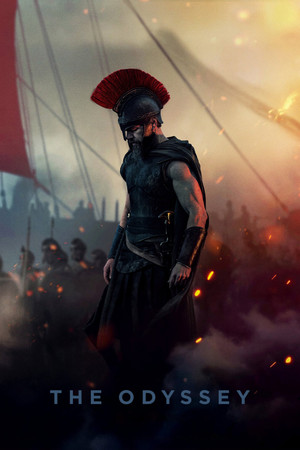
The Odyssey
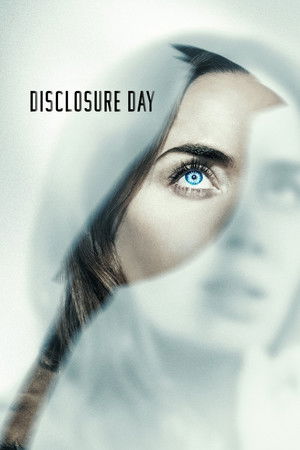
Disclosure Day
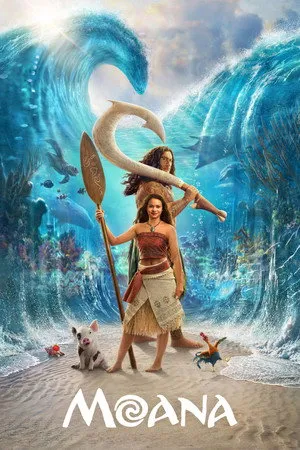
Moana
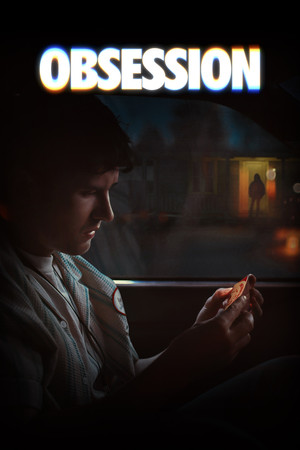
Obsession
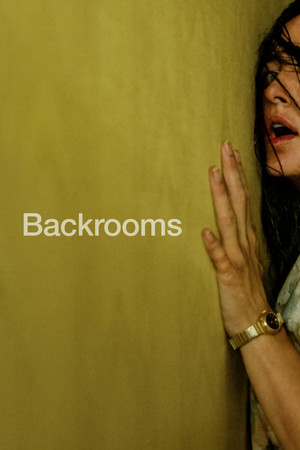
Backrooms
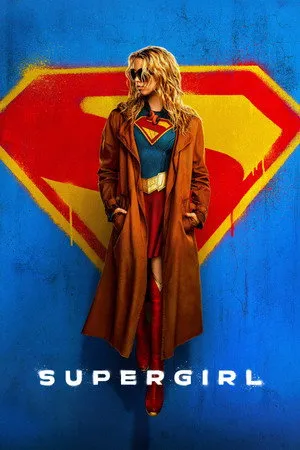
Supergirl
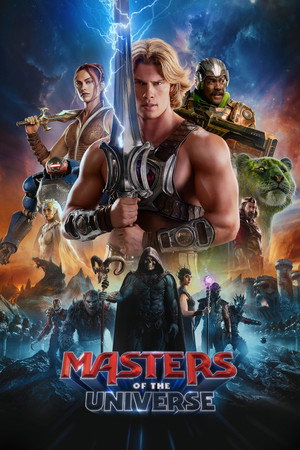
Masters of the Universe
Toy Story 5
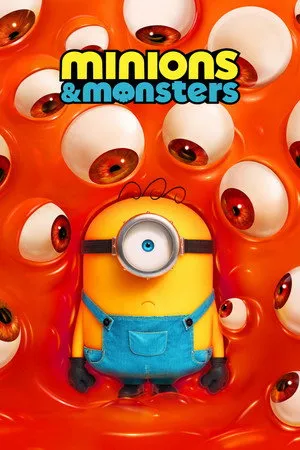
Minions & Monsters
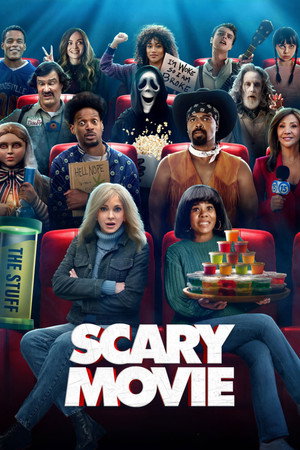
Scary Movie
Hidden Gems: Overlooked Movies Worth Your Time
Every cinephile knows the thrill of discovering a movie that somehow slipped under the radar. These are the films that didn't get the marketing push, the blockbuster budget, or the Oscar buzz, but they deliver stories that linger long after the credits roll. Today, I am pulling ten such titles from the shadows. Some are indie darlings, others are cult oddities, and a few might surprise you by existing at all. Let us dive in.
First up is The Odyssey, the 1997 television miniseries directed by Andrei Konchalovsky. Based on Homer's epic poem, this sweeping adventure stars Armand Assante as the resourceful Odysseus, battling Cyclopes, sorceresses, and sea monsters on his decade-long journey home to Ithaca. Shot on location in Malta and Turkey, the production boasts a scope that rivals many theatrical blockbusters. The cast includes Isabella Rossellini as the enchantress Circe and Greta Scacchi as Penelope. While it won several Emmy awards, including Outstanding Miniseries, it has since been overshadowed by more recent fantasy epics. For lovers of mythic storytelling, this remains the most faithful and emotionally resonant adaptation of Homer's work, complete with a rousing score and practical effects that hold up surprisingly well.
Next, Disclosure Day is a taut 2019 thriller directed by Sarah Adina Smith, known for her work on The Midnight Swim. The film follows a mid-level corporate accountant named Eva who accidentally stumbles upon a massive data breach implicating her company in environmental crimes. What begins as a procedural drama quickly spirals into a paranoid cat-and-mouse game as Eva realizes her every move is monitored. Shot in a claustrophobic, almost documentary style, the film benefits from a chilling lead performance by Lio Tipton. The movie never received a wide theatrical release, playing mostly at festivals and on streaming platforms, which is a shame because its critique of corporate surveillance feels more relevant every year. The final act, set entirely in a single office with a blinking red light, is masterful.
Now, you might think Moana needs no introduction. Disney's 2016 animated musical was a box office hit and critical darling. But here is the hidden gem angle: it was released in the same year as Rogue One, La La Land, and Zootopia, and it often gets lost in conversations about the modern Disney Renaissance. Directed by Ron Clements and John Musker, the duo behind The Little Mermaid and Aladdin, Moana is a technical marvel with hand-drawn-inspired water animation that took the studio three years to perfect. The soundtrack by Lin-Manuel Miranda gave us the anthem How Far I Will Go, and the voice cast, led by Auli i Cravalho, brings genuine warmth. Yet many people dismiss it as just another princess movie. It is so much more: a genuine exploration of identity, colonialism, and the relationship between humanity and nature. If you have not revisited it recently, do so. It may just be the best film Disney released in the 2010s.
Moving on, Obsession is a 1976 psychological thriller directed by Brian De Palma, often called his Hitchcock homage. The story follows a New Orleans businessman, played by Cliff Robertson, whose wife and daughter die in a kidnapping gone wrong. Years later, he meets a woman who looks exactly like his late wife. De Palma uses split diopter shots and a beautiful, haunting score by Bernard Herrmann, who later reused some themes for Taxi Driver. The film was overshadowed at the time by another De Palma classic, Carrie, and then completely forgotten as the decade progressed. But Obsession is a tightly wound study of grief, guilt, and doubles, with a finale set in a ghostly Italian church that will stick with you. The ending is one of the most audacious in 1970s cinema, and yet almost no one talks about it.
From the physical to the digital, Backrooms emerged from internet folklore to become a genuinely terrifying independent horror film. Directed by Kane Parsons, who first created the concept as a short creepypasta video on TikTok, the 2022 feature expands on the idea of liminal spaces and the feeling of being trapped in an infinite office complex. Shot on a microbudget with found-footage aesthetics, Backrooms builds dread through silence and the unnerving geometry of empty hallways. The monster, if you can call it that, is more a presence than a figure, a wrongness in the world. It became a viral sensation on YouTube, but many horror fans dismiss it as a gimmick. It is not. It is a brilliant exercise in atmosphere and the power of the unseen. Watch it in the dark with headphones.
Now for a superhero film that time forgot: Supergirl, directed by Jeannot Szwarc and released in 1984. Helen Slater plays Kara Zor-El, Superman s cousin, who comes to Earth to retrieve a lost artifact. The film was a critical and commercial flop, overshadowed by the Superman franchise s declining quality, but it deserves a second look. Slater delivers a earnest, wide-eyed performance that captures the character s innocence and power. The practical effects, particularly the casting of a glowing energy orb, have a handmade charm that modern CGI lacks. Faye Dunaway chews the scenery as the villainous witch Selena, and the final battle in an abandoned fairground is pure 80s cheese in the best possible way. It is a campy, delightful relic that paved the way for female-led superhero movies, even if it took three decades for Hollywood to catch up.
Similarly, Masters of the Universe from 1987 is a film that critics panned but fans adore. Directed by Gary Goddard, the movie stars Dolph Lundgren as He-Man, the muscle-bound hero from the cartoon and toy line. It famously replaced the fantasy setting of Eternia with a low-budget, futuristic version of Earth, and the result is a bizarre, endearing mismatch. Frank Langella plays Skeletor, and his performance is genuinely theatrical, delivering lines like I am not a man! I am a god! with utter conviction. The movie was a commercial disappointment, but it has become a cult classic for its unapologetic silliness and practical creature effects. The pop score by Bill Conti is pure 80s synth gold.
Every cinephile knows the thrill of discovering a movie that somehow slipped under the radar. These are the films that didn't get the marketing push, the blockbuster budget, or the Oscar buzz, but they deliver stories that linger long after the credits roll. Today, I am pulling ten such titles from the shadows. Some are indie darlings, others are cult oddities, and a few might surprise you by existing at all. Let us dive in.
First up is The Odyssey, the 1997 television miniseries directed by Andrei Konchalovsky. Based on Homer's epic poem, this sweeping adventure stars Armand Assante as the resourceful Odysseus, battling Cyclopes, sorceresses, and sea monsters on his decade-long journey home to Ithaca. Shot on location in Malta and Turkey, the production boasts a scope that rivals many theatrical blockbusters. The cast includes Isabella Rossellini as the enchantress Circe and Greta Scacchi as Penelope. While it won several Emmy awards, including Outstanding Miniseries, it has since been overshadowed by more recent fantasy epics. For lovers of mythic storytelling, this remains the most faithful and emotionally resonant adaptation of Homer's work, complete with a rousing score and practical effects that hold up surprisingly well.
Next, Disclosure Day is a taut 2019 thriller directed by Sarah Adina Smith, known for her work on The Midnight Swim. The film follows a mid-level corporate accountant named Eva who accidentally stumbles upon a massive data breach implicating her company in environmental crimes. What begins as a procedural drama quickly spirals into a paranoid cat-and-mouse game as Eva realizes her every move is monitored. Shot in a claustrophobic, almost documentary style, the film benefits from a chilling lead performance by Lio Tipton. The movie never received a wide theatrical release, playing mostly at festivals and on streaming platforms, which is a shame because its critique of corporate surveillance feels more relevant every year. The final act, set entirely in a single office with a blinking red light, is masterful.
Now, you might think Moana needs no introduction. Disney's 2016 animated musical was a box office hit and critical darling. But here is the hidden gem angle: it was released in the same year as Rogue One, La La Land, and Zootopia, and it often gets lost in conversations about the modern Disney Renaissance. Directed by Ron Clements and John Musker, the duo behind The Little Mermaid and Aladdin, Moana is a technical marvel with hand-drawn-inspired water animation that took the studio three years to perfect. The soundtrack by Lin-Manuel Miranda gave us the anthem How Far I Will Go, and the voice cast, led by Auli i Cravalho, brings genuine warmth. Yet many people dismiss it as just another princess movie. It is so much more: a genuine exploration of identity, colonialism, and the relationship between humanity and nature. If you have not revisited it recently, do so. It may just be the best film Disney released in the 2010s.
Moving on, Obsession is a 1976 psychological thriller directed by Brian De Palma, often called his Hitchcock homage. The story follows a New Orleans businessman, played by Cliff Robertson, whose wife and daughter die in a kidnapping gone wrong. Years later, he meets a woman who looks exactly like his late wife. De Palma uses split diopter shots and a beautiful, haunting score by Bernard Herrmann, who later reused some themes for Taxi Driver. The film was overshadowed at the time by another De Palma classic, Carrie, and then completely forgotten as the decade progressed. But Obsession is a tightly wound study of grief, guilt, and doubles, with a finale set in a ghostly Italian church that will stick with you. The ending is one of the most audacious in 1970s cinema, and yet almost no one talks about it.
From the physical to the digital, Backrooms emerged from internet folklore to become a genuinely terrifying independent horror film. Directed by Kane Parsons, who first created the concept as a short creepypasta video on TikTok, the 2022 feature expands on the idea of liminal spaces and the feeling of being trapped in an infinite office complex. Shot on a microbudget with found-footage aesthetics, Backrooms builds dread through silence and the unnerving geometry of empty hallways. The monster, if you can call it that, is more a presence than a figure, a wrongness in the world. It became a viral sensation on YouTube, but many horror fans dismiss it as a gimmick. It is not. It is a brilliant exercise in atmosphere and the power of the unseen. Watch it in the dark with headphones.
Now for a superhero film that time forgot: Supergirl, directed by Jeannot Szwarc and released in 1984. Helen Slater plays Kara Zor-El, Superman s cousin, who comes to Earth to retrieve a lost artifact. The film was a critical and commercial flop, overshadowed by the Superman franchise s declining quality, but it deserves a second look. Slater delivers a earnest, wide-eyed performance that captures the character s innocence and power. The practical effects, particularly the casting of a glowing energy orb, have a handmade charm that modern CGI lacks. Faye Dunaway chews the scenery as the villainous witch Selena, and the final battle in an abandoned fairground is pure 80s cheese in the best possible way. It is a campy, delightful relic that paved the way for female-led superhero movies, even if it took three decades for Hollywood to catch up.
Similarly, Masters of the Universe from 1987 is a film that critics panned but fans adore. Directed by Gary Goddard, the movie stars Dolph Lundgren as He-Man, the muscle-bound hero from the cartoon and toy line. It famously replaced the fantasy setting of Eternia with a low-budget, futuristic version of Earth, and the result is a bizarre, endearing mismatch. Frank Langella plays Skeletor, and his performance is genuinely theatrical, delivering lines like I am not a man! I am a god! with utter conviction. The movie was a commercial disappointment, but it has become a cult classic for its unapologetic silliness and practical creature effects. The pop score by Bill Conti is pure 80s synth gold.