Hidden Gems: Overlooked Movies Worth Watching Now
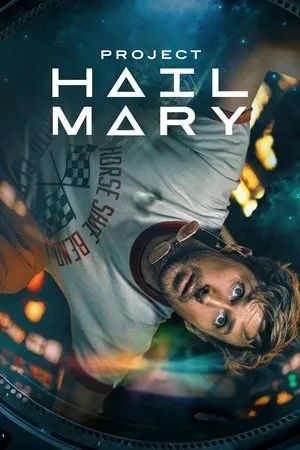
Project Hail Mary
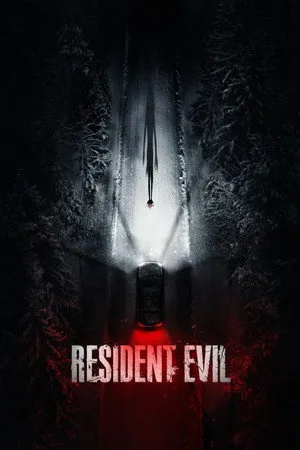
Resident Evil
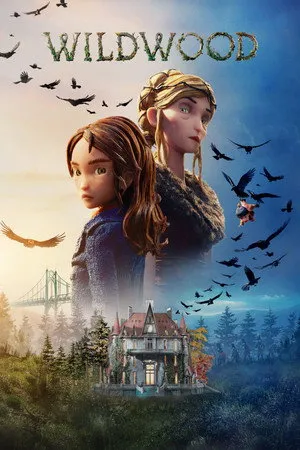
Wildwood
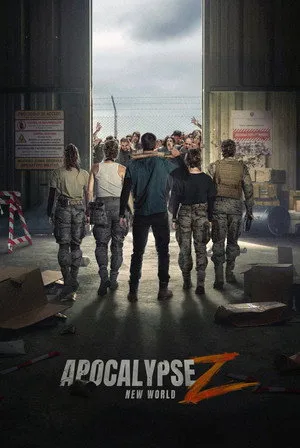
Apocalypse Z: New World
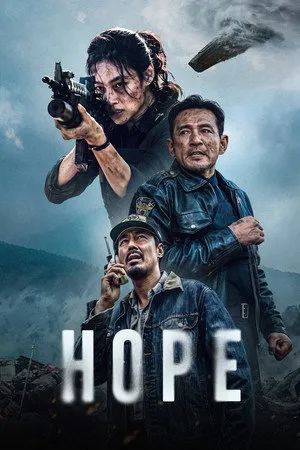
Hope
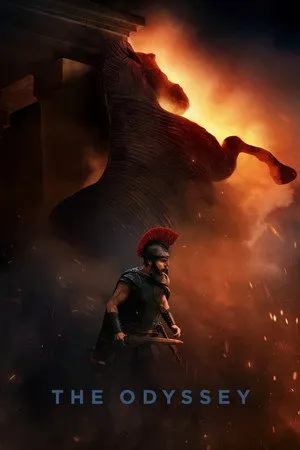
The Odyssey

Spider-Man: Brand New Day
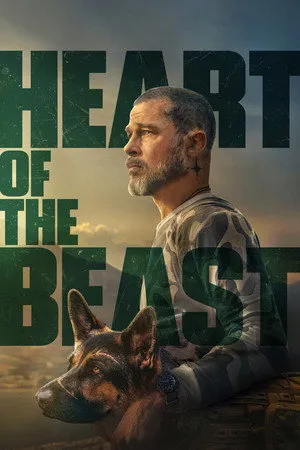
Heart of the Beast
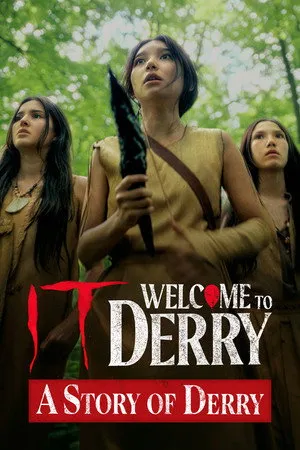
A Story of Derry
The Mongoose
Hidden Gems: Overlooked Movies Worth Your Time
In an era dominated by algorithm-driven streaming recommendations and endless franchise sequels, the true magic of cinema often hides in plain sight. While studio tentpoles command headlines and social media buzz, independent visionaries, bold genre experimenters, and quietly brilliant storytellers continue to craft films that linger long after the credits roll. If you have ever felt trapped in a loop of rewatching familiar favorites, it is time to step outside your comfort zone and explore the cinematic treasures waiting on the edges of mainstream awareness. This curated selection spans science fiction, psychological thrillers, heartfelt dramas, and boundary-pushing adventure. Each title has been chosen not because it shattered box office records, but because it delivers something rare: originality, emotional resonance, and undeniable craft. Whether you are a seasoned cinephile or simply searching for your next favorite film, these overlooked movies deserve a permanent spot on your watchlist.
Project Hail Mary marks the long-awaited transition from bestselling novel to screen, adapting Andy Weirs acclaimed work into a masterclass in hard science fiction and human connection. Directed by a team that prioritizes scientific accuracy alongside emotional depth, the film follows an unnamed astronaut who awakens alone aboard a spacecraft with fragmented memories, only to discover he must prevent a global extinction event. What sets this adaptation apart is its refusal to rely on cheap spectacle. Instead, it builds tension through clever problem-solving, dry humor, and the profound isolation of deep space travel. The practical models blend seamlessly with restrained digital enhancements, creating a believable cosmos that feels lived-in rather than manufactured. Watch this if you crave intelligent sci-fi that respects your curiosity while delivering genuine heart.
Resident Evil may ring familiar bells for fans of viral horror properties, but buried beneath its mainstream legacy lies a fiercely atmospheric entry that deserves fresh appreciation. Stripped of later installments reliance on video game mechanics, this particular chapter leans heavily into claustrophobic tension and practical creature design. Filmmakers opted for shadow over exposition, letting sound engineering and deliberate cinematography carry the weight as characters navigate a decaying urban landscape overrun by relentless infected. The performances remain grounded, portraying ordinary individuals forced into extraordinary survival scenarios. It serves as a reminder that horror thrives when it trusts implication over explicit gore. For viewers who miss the days when suspense was constructed slowly and dread felt inevitable, this cut remains a chilling benchmark in the genre.
Wildwood brings Colin Melous beloved childrens fantasy into vivid motion, transforming a tale of magical forests and brave adventurers into a visually rich journey for all ages. The animation style draws inspiration from mid-century storybook illustrations, giving every frame a handcrafted warmth that contrasts beautifully with the darker undertones of the narrative. Young protagonists navigate a hidden ecosystem where ancient trees whisper warnings and mythical beings guard forgotten treaties. Beyond its enchanting aesthetic, the film explores themes of courage, loyalty, and the quiet bravery required to challenge corrupt authority. It proves that family entertainment does not need to simplify complex ideas, offering layered storytelling that rewards repeated viewings.
Apocalypse Z: New World stands as a gritty, unflinching examination of societal collapse through the lens of the Spanish zombie genre. Rather than relying on predictable jump scares, the filmmakers construct a harrowing portrait of how quickly civilization unravels when resources vanish and communal trust evaporates. The pacing mirrors real-world crisis management, balancing intimate character moments with large-scale chaos. Practical prosthetic work brings the infected to life with unsettling realism, while the soundtrack uses sparse, pulsing tones to heighten anxiety. What makes this film particularly compelling is its refusal to offer easy heroics. Survival here is messy, moral compromises are frequent, and victory is never guaranteed. It is essential viewing for fans of grounded apocalyptic narratives that prioritize human behavior over monster action.
Hope delivers a quiet but devastating exploration of resilience in the face of personal loss. Centered on a woman rebuilding her daily routine after a sudden tragedy, the film avoids melodrama in favor of restrained, observant storytelling. Directors capture mundane moments with poetic precision, allowing silence and subtle gestures to carry emotional weight. The cinematography favors natural lighting and unbroken takes, immersing viewers in the protagonists gradual return to purpose. Supporting performances add remarkable depth, portraying friends and strangers whose own struggles mirror the lead journey. This is not a film that shouts its message. It whispers it until you cannot help but listen. Perfect for audiences who appreciate character-driven dramas that honor the complexity of healing.
The Odyssey reimagines Homeric epic through a contemporary visual language that honors the source material while making it accessible to modern sensibilities. Set against sweeping landscapes and meticulously crafted period detail, the narrative follows a lone traveler navigating treacherous waters, mythical encounters, and internal demons. The directorial approach emphasizes mythic rhythm over linear pacing, using recurring motifs and symbolic imagery to bridge ancient themes with present-day anxieties about identity and destiny. Stunt coordination and maritime sequences feel authentically earned, achieved through real sailing techniques and minimal computer-generated augmentation. It is a bold statement that timeless stories still hold immense power when told with reverence and innovation.
Spider-Man: Brand New Day approaches the iconic web-slinger through an experimental lens, blending stop-motion textures with live-action photography to create a uniquely tactile universe. Rather than retreading established origin stories, the film focuses on a young hero learning to balance responsibility with self-doubt in a city that constantly demands perfection. The visual style shifts subtly with the protagonists mental state, using color grading and unconventional framing to externalize anxiety and personal growth. Puppetry and voice performance combine seamlessly, producing a physical quality rarely seen in superhero cinema. It challenges genre conventions by treating heroism as an ongoing process rather than a fixed destination, making it a standout for fans who appreciate artistic risk-taking.
Heart of the Beast chronicles a harrowing expedition gone wrong, transforming a simple wilderness trek into a psychological trial of endurance. Trapped in unforgiving terrain with dwindling supplies, a small group must confront both external environmental threats and their own fractured relationships. The director employs immersive soundscapes and handheld camerawork to place viewers directly inside the mounting panic. Survival tactics are researched thoroughly, grounding the tension in reality rather than fantasy. What elevates the film beyond typical disaster fare is its focus on moral dilemmas: who gets rescued, who gets left behind, and what happens when instinct clashes with conscience. It is a gripping, unrelenting experience that lingers long after the final frame.
A Story of Derry captures the quiet intensity of a working-class neighborhood navigating economic hardship and cultural pride. Shot entirely on location, the film benefits from authentic performances by local actors who bring lived experience to every scene. The narrative weaves together multiple lives connected by a single pivotal week, revealing how small decisions ripple through tight-knit communities. Cinematography favors warm, earthy tones that celebrate the settings inherent beauty even amid struggle. Dialogue feels remarkably natural, avoiding exposition in favor of overlapping conversations and meaningful pauses. This is a deeply human portrait that honors resilience without romanticizing poverty, offering a refreshing alternative to glossy urban dramas.
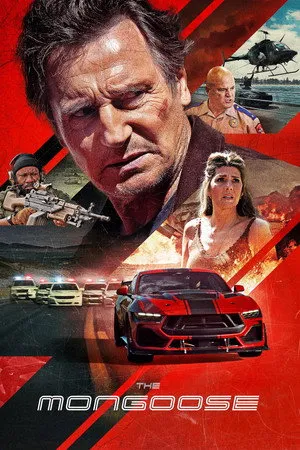
The Mongoose operates as a sleek, tension-filled espionage thriller that trusts subtlety over spectacle. Following a retired operative pulled back into the field, the film unfolds through coded messages, clandestine meetings, and morally gray alliances. Directors emphasize geography and surveillance, using wide establishing shots to highlight isolation and tight close-ups to convey paranoia. The score relies on minimalist percussion and ambient drones, building unease without manipulative cues. Plot twists emerge organically from character choices rather than contrivance, rewarding attentive viewers with a satisfying payoff. It proves that spy fiction can remain highly compelling when focused on psychological warfare rather than explosive set pieces.
Cinema thrives when audiences venture beyond the obvious, seeking out stories that challenge, comfort, or surprise. These ten films prove that brilliance does not always require massive marketing budgets or franchise recognition. They exist in independent circuits, specialty streaming libraries, and festival archives, waiting for curious viewers to press play. Make it a habit to explore beyond trending lists, support diverse creative voices, and give undistinguished titles the chance they deserve. Your next favorite movie might be hiding in plain sight, ready to redefine your perspective one frame at a time.