Epic Obsessions: Moana to Prada 2
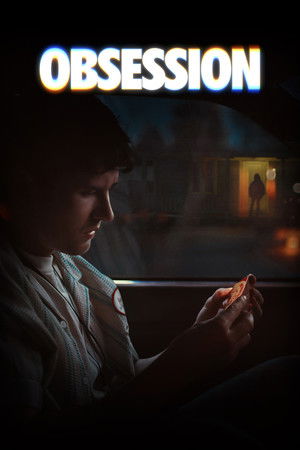
Obsession
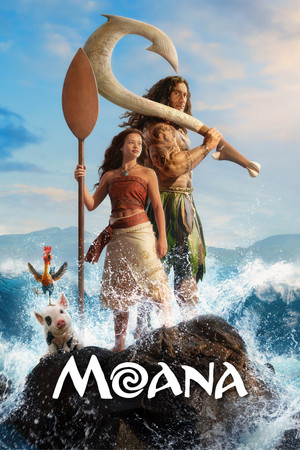
Moana
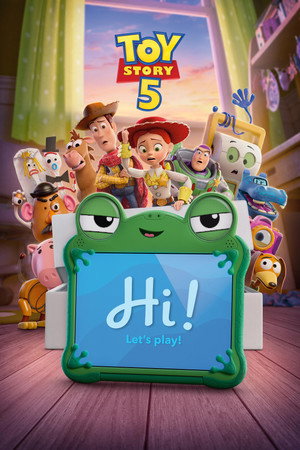
Toy Story 5
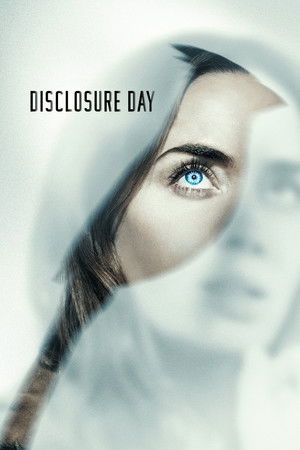
Disclosure Day
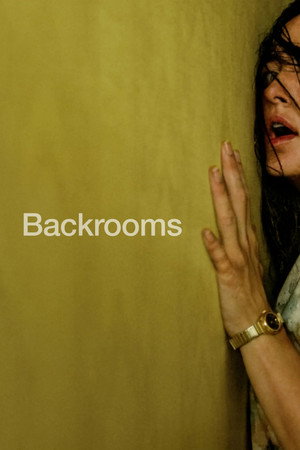
Backrooms
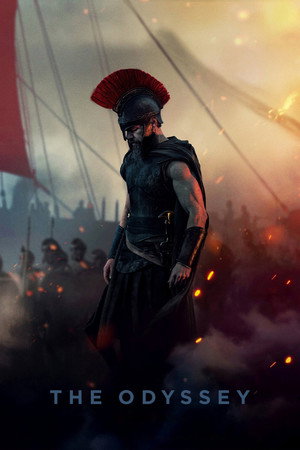
The Odyssey
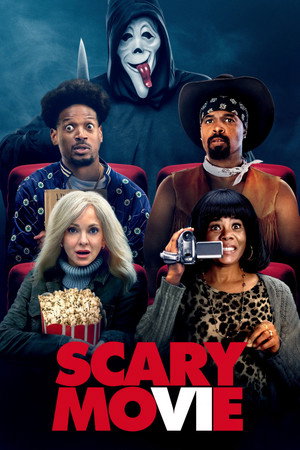
Scary Movie
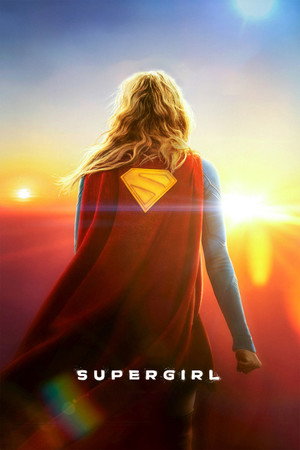
Supergirl
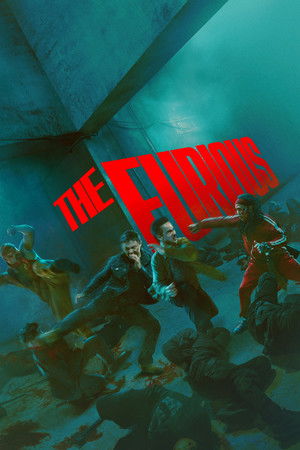
The Furious
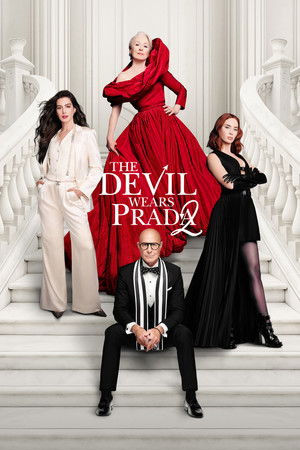
The Devil Wears Prada 2
Underrated Movies You Must Watch in 2026 Every year, the cinematic landscape is dominated by a handful of blockbusters that swallow the conversation whole, leaving smaller, stranger, or simply more ambitious films to languish in the shadows. 2026 is no exception. While the world will be fixated on the latest superhero crossover or the billion-dollar animated sequel, a treasure trove of underappreciated gems is waiting for those who know where to look. This is not a list of the biggest movies of the year. This is a survival guide for the discerning viewer, a curated collection of films that deserve your attention, your time, and your passionate defense at dinner parties. From a terrifyingly intimate psychological thriller to a surprisingly poignant animated adventure, here are the underrated movies you absolutely must watch in 2026. Let us begin with Obsession, a psychological horror film that has nothing to do with the perfume of the same name and everything to do with the scent of dread. Directed by rising indie star Alana Reyes, this is a slow-burn masterpiece that burrows under your skin like a splinter you cannot find. The plot follows a reclusive archivist, played with devastating fragility by Jessie Buckley, who inherits a collection of antique mirrors from a distant relative. The catch? Each mirror seems to reflect not the present, but a specific, traumatic moment from the life of its previous owner. What starts as a morbid curiosity quickly spirals into a consuming compulsion, as the archivist becomes addicted to watching the tragedies of strangers play out in real time. What makes Obsession so brilliant is its restraint. Reyes avoids cheap jump scares in favor of a creeping, existential horror. The film asks a terrifying question: if you could watch anyone’s worst day, would you be able to look away? Buckley’s performance is a masterclass in quiet unraveling, and the cinematography, which uses the mirrors as portals into claustrophobic, beautifully lit vignettes, is some of the most innovative work of the decade. This is not a film for those seeking gore; it is a film for those who understand that the most frightening thing in the world is the reflection of our own morbid curiosity. Next, we must talk about Moana. Wait, you might say, isnt that a beloved Disney classic? Yes, but the 2026 release is not a remake. This is Moana, a hauntingly beautiful live-action retelling from the perspective of the ocean itself. Directed by visionary documentary filmmaker David Lowery, this version strips away the musical numbers and comic relief to deliver a lean, mythic survival story. The film follows a young woman, played by newcomer Hinaleimoana Wong, who is not a plucky princess but a grieving daughter trying to find her missing father on a vast, indifferent sea. The ocean is not a friend here; it is a character of immense power and terrifying indifference. Lowery uses long, unbroken takes and a soundscape of creaking wood and crashing waves to create a sensory experience that is both meditative and deeply unsettling. The reason this Moana is underrated is because audiences expecting a fun, family-friendly sing-along were confused by its arthouse pacing and sparse dialogue. But for those willing to surrender to its rhythms, it is a profound meditation on loss, resilience, and the terrifying beauty of nature. It is the anti-moana, and it is magnificent. Speaking of subverting expectations, Toy Story 5 is not the movie you think it is. After the emotionally devastating finale of Toy Story 4, Pixar had a choice: play it safe or take a risk. They chose the latter, and the result is a film that has divided audiences but deserves a second look. In this installment, the toys have been boxed up in an attic for over a decade. Andy, now a father himself, is preparing to sell his childhood home. The toys, led by a weary and frayed Woody, must confront their own obsolescence. The film is a quiet, melancholic meditation on aging, memory, and the bittersweet necessity of letting go. It is less a comedy and more a drama with moments of gentle humor. Tom Hanks delivers a voice performance of heartbreaking vulnerability, and a silent sequence where Woody watches a home movie of Andy as a child is one of the most emotionally devastating moments in animation history. Critics praised its ambition, but general audiences found it too sad. Do not listen to them. Toy Story 5 is a brave, mature, and necessary conclusion to a story about the passage of time. It is not for children; it is for the adults who were once children, and it will leave you weeping in the best possible way. Now, for something completely different: Disclosure Day. This is a taut, paranoid political thriller that feels ripped from tomorrows headlines. Directed by Korean master Park Chan-wook, the film imagines a world where a single, anonymous government whistleblower website promises to release the most damaging secrets of every living politician on the same day. The story follows a low-level data analyst, played by an electrifying John Boyega, who is accidentally copied on the countdown email. The entire film takes place in a single, nerve-shredding 24-hour period as he tries to verify the information, evade a ruthless intelligence agency, and decide whether to hit the kill switch or let the world burn. Chan-wook brings his signature visual flair, using split screens and dizzying tracking shots to convey the chaos of information overload. What makes Disclosure Day underrated is that it was released in the shadow of a massive superhero film and was dismissed as a derivative conspiracy thriller. It is anything but. It is a smart, tense, and morally complex film about the cost of transparency and the corruption of power. The final scene, a silent standoff in a server room, is a masterclass in suspense. If you have a taste for the surreal, you cannot miss Backrooms. Based on the internet creepypasta phenomenon, this is not the low-budget YouTube short you may have seen. This is a full-scale, big-budget horror film directed by Jane Schoenbrun, the visionary behind We’re All Going to the World’s Fair. The film follows a group of urban explorers who find a door that should not exist, leading them into an infinite labyrinth of monochrome office spaces, humming fluorescent lights, and damp, moldy carpets. The genius of Backrooms is that it refuses to explain itself. There are no monsters in the traditional sense, only the overwhelming, crushing sense of wrongness. The sound design is a masterpiece of dread, using the hum of electricity and the distant scuttle of something unseen to create a palpable atmosphere of anxiety. The film is a meditation on liminal spaces, the fear of the mundane, and the existential horror of being trapped in a system that has no exit. It was largely ignored by mainstream audiences who expected jump scares, but for fans of slow-burn, atmospheric horror, Backrooms is a landmark achievement. It makes you afraid of the hallways in your own office. On a completely different note, we have The Odyssey. No, not the epic poem, but a stunningly original science fiction film from director Denis Villeneuve. Yes, that Denis Villeneuve. After Dune, he turned his attention to a smaller, more personal project. The Odyssey is a silent film, set entirely on a generation ship traveling to a distant star. The story is told through the eyes of a child, played by a remarkable young actor, who is born on the ship and has never known solid ground. As she grows, she begins to realize that the ship is falling apart, and the automated systems meant to sustain life are failing. There is no dialogue, only a breathtaking score by Hans Zimmer and the haunting sound of the ship’s groaning hull. Villeneuve uses the vast, sterile corridors of the ship to create a sense of both wonder and claustrophobia. The Odyssey is a film about faith, entropy, and the human will to survive. It was deemed too experimental for a wide release and was buried in a few art-house theaters. It is a crime. This is Villeneuve at his most lyrical and ambitious, a film that trusts its audience to understand story through image and emotion alone. For a dose of pure, absurdist comedy, seek out Scary Movie. No, not the Wayans Brothers parody franchise. This is an entirely new film, a meta-horror-comedy from the creators of What We Do in the Shadows. The premise is deceptively simple: a group of film students decide to make a “scary movie” by recreating a famous urban legend in their small town. The twist is that the urban legend is real, and their attempts to film it accidentally summon the entity. The comedy comes from the clash between the students’ pretentious film school jargon and the raw, terrifying reality of the monster. The director, Taika Waititi, appears as a clueless professor who keeps giving terrible advice via Zoom. The film is a brilliant satire of modern horror filmmaking, from the overuse of jump scares to the obsession with “elevated horror.” It is laugh-out-loud funny, genuinely creepy in places, and features a running gag about a sound guy who refuses to wear shoes that is worth the price of admission alone. It was released quietly on a streaming platform and was overshadowed by a bigger horror release, but it is the funniest film of the year. Finally, we have a trio of films that deserve special attention. Supergirl is a surprise. After the disastrous reception of The Flash, DC took a radically different approach. This Supergirl, directed by indie darling Greta Gerwig, is a coming-of-age story set in a small, forgotten corner of the DC universe. Kara Zor-El, played by the luminous Rachel Zegler, is not a superhero. She is a refugee living in a quiet Nebraska town, hiding her powers and trying to fit in. The film is a gentle, funny, and deeply human story about the loneliness of being different. The action is minimal; the focus is on character. It is a superhero movie that is barely a superhero movie, and it is all the better for it. It was a box office disappointment, but it will be rediscovered as a gem. Similarly, The Furious is a masterpiece of minimalist action. Directed by the stunt coordinator turned director Chad Stahelski (John Wick), this film strips the genre down to its bones. A single mother, played by a fiercely physical Charlize Theron, must drive her daughter across a post-apocalyptic wasteland in a heavily armored truck. There are no villains, no monologues, no complex plot. Just a relentless, 90-minute chase sequence. The film is a masterclass in vehicular choreography, and Theron’s performance, told almost entirely through her eyes and her hands on the steering wheel, is astonishing. It was dismissed as a Fury Road clone, but it is a leaner, more intimate, and more emotionally resonant film. And finally, The Devil Wears Prada 2. Yes, it is real. And yes, it is fantastic. But it is not the campy return you might expect. Set fifteen years later, Andy Sachs, now a powerful editor-in-chief of a struggling magazine, must return to Runway to ask Miranda Priestly for help. Meryl Streep and Anne Hathaway are both phenomenal, but the film is a surprisingly sharp and melancholy meditation on the cost of ambition and the cyclical nature of power. It is a dramedy, not a comedy, and it was savaged by audiences expecting a rehash of the first film. They missed the point. This is a mature, thoughtful sequel that honors the original while asking deeper questions about legacy and loyalty. In a year of noise and spectacle, these films offer something rare: intimacy, ambition, and a willingness to take risks. Seek them out. They are the movies that will be remembered long after the blockbusters have faded from memory.