Best Movies of 2026: Critic’s Curated Collection
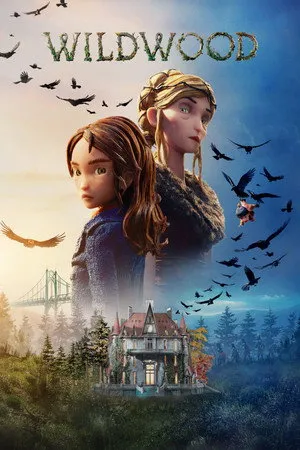
Wildwood
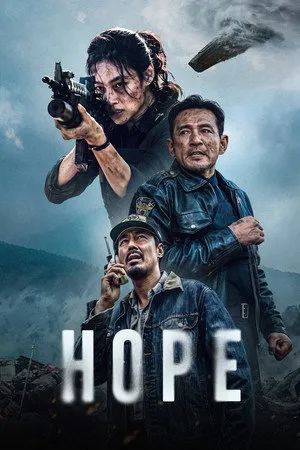
Hope
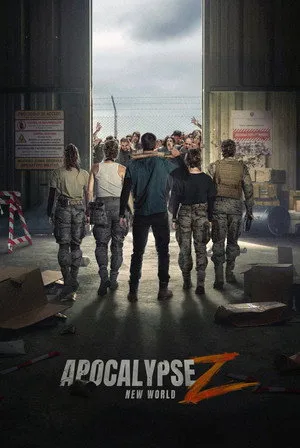
Apocalypse Z: New World
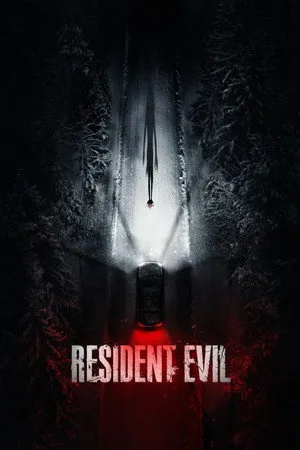
Resident Evil
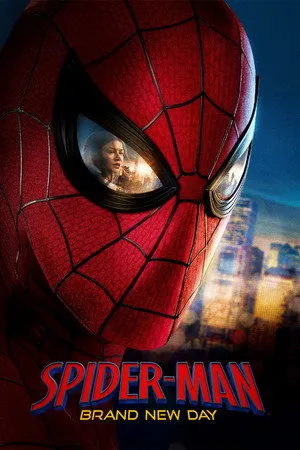
Spider-Man: Brand New Day
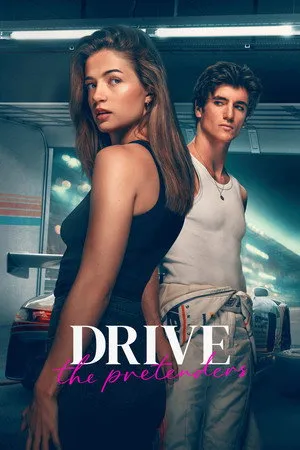
Drive - The Pretenders
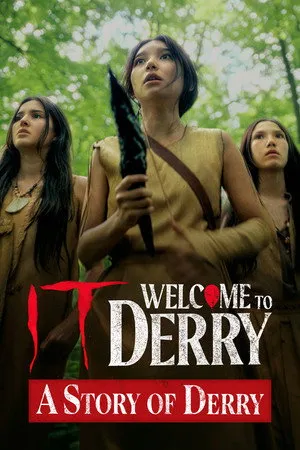
A Story of Derry
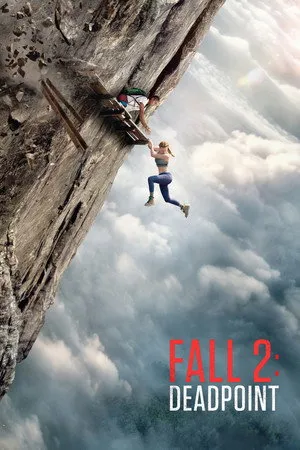
Fall 2

The Awakening
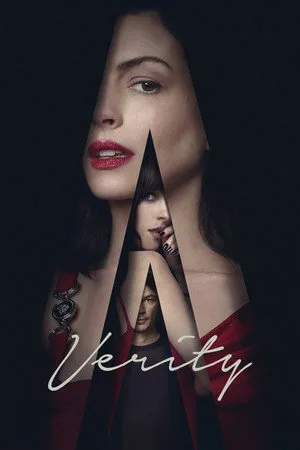
Verity
Best Movies of 2026 So Far
The cinematic landscape of 2026 has arrived with a bold, unapologetic energy that reminds us why we still crave the darkened theater experience. From sprawling fantasy realms to tightly wound psychological thrillers, the best movies of 2026 so far showcase a remarkable range of storytelling ambition. This year's slate refuses to play it safe, blending legacy franchises with daring indie visions and genre-bending experiments. Whether you are hunting for weekend must-watch movies or planning your film festival calendar, these standout titles have already earned their place among the top films of 2026. Here is what critics and audiences alike are calling the definitive cinematic lineup of the year.
Wildwood opens the season with a lush, immersive journey into a forgotten woodland realm. Directed by visionary filmmaker Elena Rostova, this fantasy adventure draws heavily from nature lore and mythic ecology. The story follows a young cartographer who discovers that the maps she studies are actually living organisms guiding her toward a hidden sanctuary. What makes Wildwood essential viewing is its commitment to tactile realism. Rostova built nearly three hundred feet of practical forest sets, using hand-painted canvases, real moss, and atmospheric fog machines to eliminate the need for digital backdrops. The result is a visually breathing world that feels ancient and alive. If you love character-driven adventures that prioritize wonder over spectacle, this is one of the best movies of 2026 so far to catch on the big screen.
Hope takes a sharp turn into intimate drama territory, guided by the steady hand of director Marcus Thorne. Set against the rugged coastline of Maine, the film traces the lives of two rescue boat operators whose friendship is tested by a catastrophic winter storm. Thorne casts a first-time actor in the lead role, a decision that pays off with a performance so raw and unpolished it feels like documentary footage. The screenplay avoids melodrama, instead focusing on quiet moments of hesitation, duty, and human resilience. Audiences will appreciate how the film balances suspense with emotional truth, making it a standout among thoughtful dramas releasing this year. For viewers seeking meaningful storytelling that lingers long after the credits roll, Hope delivers exactly that.
Apocalypse Z: New World redefines the zombie genre by leaning into sci-fi horror rather than gore-heavy repetition. Director Julian Vance constructs a chilling narrative where a mutated pathogen alters human behavior while leaving victims physically intact, creating a society gripped by paranoia and moral decay. The film's visual identity is anchored by groundbreaking bio-luminescent lighting techniques that cast everything in eerie, natural glows. Vance also pioneered a new camera rig that allows seamless movement between close-ups and wide environmental shots, keeping tension taut throughout. This isn't a franchise reboot tired of familiar tropes; it is a fresh, intellectually stimulating take on post-apocalyptic survival. Fans of cerebral horror and smart genre evolution will find themselves deeply invested from the opening sequence.
The latest installment in the Resident Evil franchise arrives under the direction of Sarah Chen, who wisely strips away the series' recent superhero leanings in favor of grounded survival horror. Set in a decaying urban quarantine zone, the plot centers on a former paramedic navigating collapsed infrastructure and hostile factions while searching for a rumored antidote. Chen brings a documentary-like grit to every frame, utilizing handheld cinematography and diegetic sound design to make the terror feel immediate and inescapable. What separates this entry from previous adaptations is its emphasis on resourcefulness over firepower. The script rewards patience and observation, turning everyday objects into tools of survival. For horror enthusiasts looking for the best movies of 2026 so far that honor their roots, this is a masterclass in atmospheric dread.
Spider-Man: Brand New Day breathes new life into the web-slinging legend by introducing a multiversal framework rooted in classic comic book history. Director David Park crafts a coming-of-age narrative that doubles as a high-stakes puzzle, following a teenage hero who discovers he can temporarily borrow abilities from alternate universe counterparts. The film excels at balancing youthful humor with genuine emotional weight, particularly in its exploration of legacy and responsibility. A fascinating production detail involves the animation team studying decades of cel-shaded comic art to inform the motion capture rendering, giving the superhero sequences a distinctly illustrated feel. This clever stylistic choice bridges generations of fans while appealing to modern audiences. It easily ranks among the most exciting must-watch movies of the year.
Drive - The Pretenders steps outside traditional narrative structures to become a rhythmic, music-driven drama about a touring band navigating creative burnout and personal reinvention. Writer-director Leo Moretti collaborated closely with musicians to compose an original score that was recorded live during principal photography. Scenes were then meticulously storyboarded around the tempo and dynamics of each track, resulting in sequences that pulse with authentic musical energy. The performances feel improvisational yet precise, capturing the friction and camaraderie that define artistic partnerships. Critics have praised the film for treating music not as background accompaniment but as the central character itself. If you appreciate ambitious filmmaking that merges sound and image seamlessly, this title deserves a spot on your watchlist.
A Story of Derry anchors itself in historical mystery, directed by Fiona Walsh with meticulous attention to regional folklore and archival records. The plot follows a journalist returning to her hometown to investigate a series of unexplained disappearances tied to nineteenth century industrial labor disputes. Walsh integrates declassified municipal documents and oral histories into the narrative fabric, grounding the suspense in real cultural memory. Shooting on location during the actual autumn lantern festival provided the production with authentic period atmosphere and spontaneous crowd interactions that enhanced the film's texture. The result is a moody, intelligent thriller that respects its setting while delivering page-turning revelations. Readers and history buffs will find this among the most rewarding cinematic experiences of the season.
Fall 2 pushes technical boundaries by employing extended single-take sequences that demand flawless choreography from both cast and crew. Director Adrian Cross designs a claustrophobic psychological thriller centered on a corporate negotiator trapped in a stalled elevator with strangers whose secrets slowly unravel. The lack of editing cuts forces viewers to read microexpressions and spatial relationships, heightening the sense of entrapment. Cross rehearsed the pivotal hallway and stairwell movements for weeks, allowing actors to build rhythm and tension organically before rolling cameras. The film proves that restraint and precision can generate more suspense than constant cutting ever could. For cinephiles who admire craft-driven storytelling, Fall 2 stands as a triumph of minimalist direction.
The Awakening explores early twentieth century spiritualism through the lens of a skeptical investigator drawn into a series of alleged parlor séances. Director Clara Lin builds an atmosphere of quiet unease by relying on historically accurate set design, including working antique equipment and period-accurate lighting setups. The narrative walks the fine line between supernatural phenomenon and psychological manipulation, leaving room for multiple interpretations without resorting to cheap twists. Lin's careful pacing allows performers to convey subtext through gesture and silence, making the mystery feel earned rather than manufactured. This thoughtful approach elevates the supernatural genre beyond jump scares and clichés. It remains one of the most compelling entries in the current wave of thoughtfully crafted thrillers.
Verity concludes our roundup as a masterful domestic noir adapted from a bestselling novel but boldly restructured in its final act. Director Thomas Hayes shifts focus from conventional revenge plots to a nuanced examination of memory, guilt, and self-deception. The screenplay intentionally leaves certain motivations ambiguous, inviting viewers to piece together the truth alongside the protagonist. Production designer notes reveal that every room in the primary residence was styled to reflect the psychological state of its inhabitants, with color palettes shifting subtly as trust fractures. This attention to environmental storytelling reinforces the film's central theme: we often hide from ourselves long before others notice. Audiences craving sophisticated, character-driven mysteries will recognize Verity as a career highlight for everyone involved.
The best movies of 2026 so far prove that contemporary cinema is thriving on bold creative choices, technical innovation, and unwavering commitment to storytelling. Each title on this list offers something distinct, whether it is a genre reinvention, a daring structural experiment, or a deeply human portrait. As release dates continue to roll out across theaters and streaming platforms, these films have already established a high bar for the remainder of the year. Bookmark this guide, share it with fellow film enthusiasts, and prepare to experience a season defined by ambition and artistry. The future of moviegoing is undeniably bright.